

 wawstock
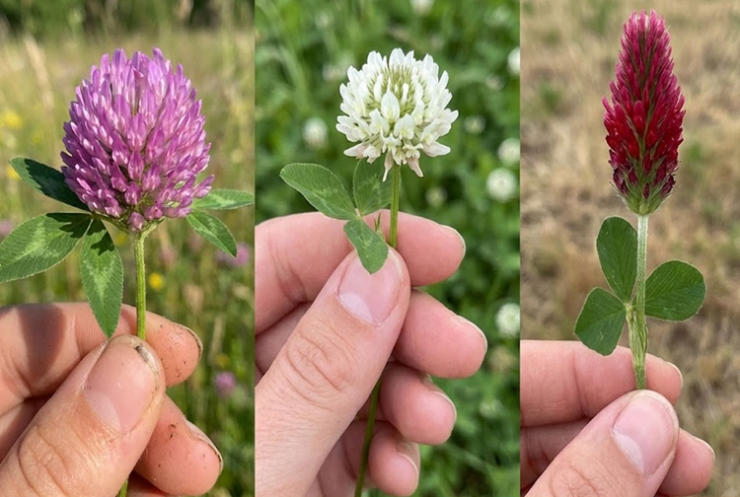
Clover is one of the most common plants found in meadows, pastures, and backyards—yet few people realize how valuable it truly is. Among the many varieties, white clover, red clover, and crimson clover stand out for their traditional uses, ecological benefits, and roles in natural gardening and farming.
Below you’ll discover why these humble plants deserve far more attention.
1.White Clover (Trifolium repens)
White clover is the low-growing, familiar clover found in lawns and fields. It might look simple, but it offers surprising advantages.
Key Benefits & Uses
Soil Improvement
White clover is a natural nitrogen fixer, meaning it pulls nitrogen from the air and transfers it into the soil. This enriches the ground and reduces the need for synthetic fertilizers.
Ground Cover
It spreads quickly and forms a green carpet that helps:
prevent erosion
suppress weeds
maintain moisture in the soil
Pollinator Support
Its small white flowers are loved by bees, supporting healthy pollination cycles.
Traditional Uses
Historically, white clover has been used in teas, tinctures, and as forage for animals.
2.Red Clover (Trifolium pratense)
Known for its pinkish-purple blooms, red clover has been valued for centuries in traditional practices and natural wellness routines.
Key Benefits & Uses
Traditional Herbal Use
Red clover blossoms have been used in folk remedies such as:
herbal teas
infusions
topical preparations
People appreciate it for its pleasant taste and mild nature.
Forage Crop
Livestock benefit from red clover’s rich nutrient profile, making it a staple forage plant in sustainable agriculture.
Soil Enrichment
Like all clovers, it improves soil fertility by fixing nitrogen naturally.
Pollinator Magnet
Its vibrant flowers attract bees, butterflies, and beneficial insects.
3.Crimson Clover (Trifolium incarnatum)
With its deep red, cone-shaped flowers, crimson clover is visually striking—but also incredibly useful.
Key Benefits & Uses
Cover Crop Champion
Crimson clover is widely used by gardeners and farmers for:
preventing soil erosion
improving soil structure
suppressing weeds
boosting organic matter
Nitrogen Fixation
It enriches the soil naturally, which helps future vegetable crops thrive.
Attractive Ornamental Plant
The intense red blossoms make it popular in wildflower mixes and pollinator gardens.
Excellent for Pollinators
Bees absolutely love crimson clover—and it can support entire colonies during blooming season.
Why Clover Matters More Than You Think
Whether grown in a garden, pasture, or field, clover plays a vital role in sustainable ecosystems:
Builds healthier soil
Reduces chemical fertilizer use
Supports biodiversity
Prevents erosion
Nourishes livestock
Can be used in teas or folk remedies (in traditional contexts)
Clover is truly one of nature’s most underrated plants—beautiful, beneficial, and extremely versatile.
White clover, red clover, and crimson clover each bring their own strengths, but together they form a powerful trio for:
gardeners
farmers
foragers
pollinator enthusiasts
anyone interested in natural living
Their combination of ecological, agricultural, and traditional uses makes them some of the most valuable plants to have around.


Add comment