

 wawstock
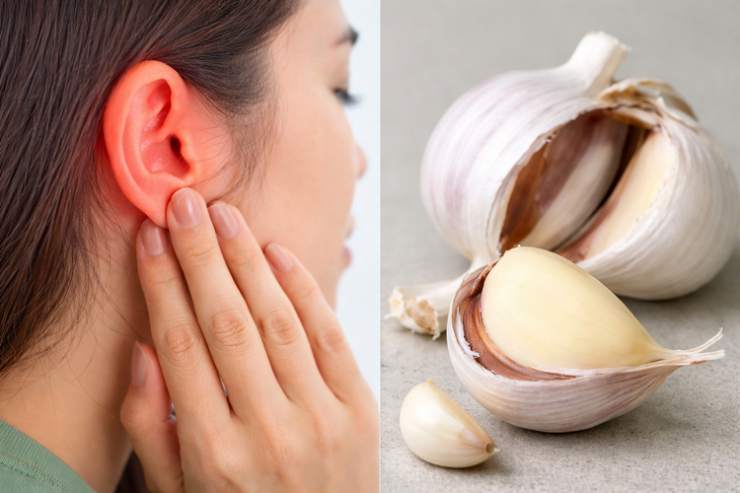
Garlic (Allium sativum) has been used for centuries in traditional medicine across many cultures. Among the more controversial folk practices is the placement of garlic cloves in the ear, usually to relieve ear discomfort. While this remedy is widely discussed online, it is important to separate tradition from evidence and to understand both the potential effects and real risks involved.
This article explores the cultural background, commonly cited benefits, scientific context, and safety considerations of placing garlic in the ear.
The practice originates from folk medicine, particularly in Eastern Europe, Asia, and parts of the Mediterranean. Traditionally, garlic has been valued for its strong aroma and bioactive compounds, especially allicin, which is known for antimicrobial properties when used appropriately.
People who try this method usually do so to address:
Ear discomfort or pressure
Mild ear pain
Sensation of fullness in the ear
Temporary ear irritation linked to colds or sinus congestion
Potentially Cited Benefits (Based on Traditional Use)
Important: These points reflect traditional beliefs and preliminary research, not proven medical treatments.
1.Antimicrobial Properties
Garlic contains sulfur-based compounds that have shown antibacterial and antifungal activity in laboratory settings. This is often cited as a reason people believe garlic may help with minor ear issues.
2.Anti-Inflammatory Effects
Garlic is known to contain compounds that may reduce inflammation when consumed or used correctly, which may explain why some people report temporary comfort.
3.Warming Sensation and Aromatic Effect
The strong smell of garlic may stimulate sensory nerves, giving a feeling of warmth or relief that some interpret as therapeutic.
What Science Actually Says
There is no clinical evidence supporting the safety or effectiveness of placing raw garlic directly into the ear canal.
Research on garlic’s benefits focuses on dietary intake or controlled extracts, not direct application to sensitive areas like the ear.
The ear canal and eardrum are delicate structures that can be easily irritated or damaged.
Risks and Safety Concerns
Placing garlic in the ear is not risk-free. Potential problems include:
Skin irritation or chemical burns, especially from raw garlic
Allergic reactions
Garlic fragments becoming lodged in the ear canal
Worsening of ear infections
Damage to the eardrum, particularly if already inflamed or perforated
Children, older adults, and individuals with existing ear conditions are especially vulnerable.
Safer Alternatives to Consider
Instead of placing garlic directly in the ear, safer approaches may include:
Consulting a healthcare professional for ear pain
Using medically approved ear drops when recommended
Managing congestion with hydration, steam inhalation, or rest
Addressing underlying sinus or respiratory issues
When to Seek Medical Advice
You should consult a medical professional if you experience:
Persistent ear pain
Hearing loss
Fluid or discharge from the ear
Fever or dizziness
Symptoms lasting more than 1–2 days
While garlic is a fascinating and historically important plant, placing garlic cloves directly in the ear is a folk remedy with potential risks and no proven medical benefit. Modern medical guidance emphasizes safety, diagnosis, and evidence-based care over home experimentation—especially when it comes to sensitive organs like the ears.




Add comment