

 wawstock
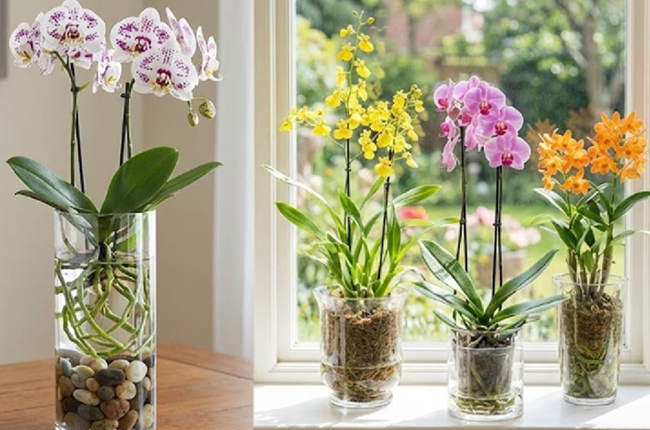
There is a certain elegance to an orchid in bloom, its delicate flowers seemingly floating on a slender stem. Traditionally grown in bark-based potting mixes, a modern and increasingly popular method is changing the way we display these exquisite plants. As seen in the stunning image above, growing orchids in water—also known as water culture or hydroponics—creates a striking visual statement that is as simple as it is beautiful.
This method strips away the heavy pots and soil, allowing the plant’s entire form, from its vibrant blooms to its intricate root system, to become part of the display.
The Aesthetic Appeal
The primary draw of growing an orchid in water is its minimalist beauty. A clear glass vase, like the cylindrical one pictured, acts as a window into the plant’s world. The thick, silvery-green roots, which are often hidden, become a fascinating architectural element.
Adding a layer of smooth river stones or colorful glass pebbles at the bottom of the vase, as shown in the photo, not only anchors the plant but also adds a natural, zen-like quality to the arrangement. Placed on a windowsill, the sunlight illuminates the water and roots, creating a living piece of art that complements any decor.
The Simplicity of Water Culture
Beyond its looks, water culture offers a simplified approach to orchid care, particularly for the popular Phalaenopsis (moth orchid) seen here. In their natural habitat, these orchids are epiphytes, meaning they grow on trees with their roots exposed to the air and rain. They are not designed to sit in dense, soggy soil.
Growing them in water eliminates the guesswork of watering. You can see exactly when the roots are hydrated (they turn green) and when they are dry (they turn silvery-grey).
How to Get Started:
Prepare Your Orchid: Gently remove a healthy Phalaenopsis orchid from its pot. Meticulously clean all old potting media from the roots. Trim away any dead, mushy, or hollow roots with sterilized scissors, leaving only firm, healthy ones.
Choose Your Vessel: Select a clear glass vase that is tall enough to support the leaves and wide enough to accommodate the roots without cramping them.
Add Pebbles (Optional): Place a layer of decorative stones at the bottom for stability and aesthetics.
Position the Plant: Place the orchid in the vase so the crown (the base of the leaves) is above the stones.
Add Water: Pour in fresh, tepid water until it just touches the bottom tips of the roots. Crucially, do not submerge the entire root ball or the crown of the plant, as this can lead to rot. The water will evaporate and create humidity, and the roots will wick up the moisture they need.
Placement and Care: Place your vase in a bright spot with indirect sunlight, like the windowsill in the image. Change the water once a week to keep it fresh and prevent algae growth.
By embracing this method, you can enjoy the dual rewards of a healthier plant and a stunning, contemporary floral display that celebrates the orchid in its entirety.

Add comment