

 wawstock
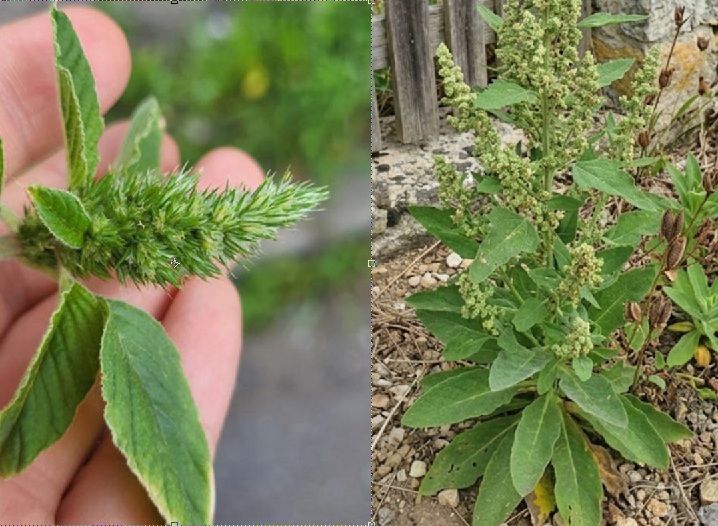
Pigweed leaves—also known as wild amaranth—are one of nature’s most underrated leafy greens. Found in fields, gardens, and roadsides across the world, pigweed is not just a common plant; it’s a nutritional powerhouse packed with vitamins, minerals, and medicinal value.
In this article, you’ll discover the health benefits of pigweed leaves, traditional uses, nutritional value, and simple ways to add them to your diet.
Nutritional Value of Pigweed Leaves
Pigweed leaves are rich in:
Vitamin A (supports eye health)
Vitamin C (boosts immunity)
Iron (prevents anemia)
Calcium (strengthens bones)
Potassium (supports heart health)
Dietary fiber (improves digestion)
Plant-based protein
They also contain antioxidants that help fight inflammation and protect cells from damage.
Top Health Benefits of Pigweed Leaves
1.Boosts Immunity
Pigweed leaves are rich in vitamin C and antioxidants, which help strengthen the immune system and protect against infections.
2.Supports Healthy Digestion
The fiber content aids digestion, prevents constipation, and promotes gut health.
3.Improves Bone Strength
With high levels of calcium and magnesium, pigweed helps maintain strong bones and teeth.
4.Prevents Anemia
Pigweed leaves contain iron, making them beneficial for individuals with low hemoglobin levels.
5.Supports Heart Health
Potassium helps regulate blood pressure, while antioxidants reduce inflammation that can affect heart health.
6.May Help with Weight Management
Low in calories and high in nutrients, pigweed leaves are perfect for balanced diets.
Traditional and Medicinal Uses
Historically, pigweed leaves have been used to:
Treat digestive issues
Reduce inflammation
Support wound healing
Help regulate menstrual cycles (in traditional medicine)
Act as a mild detoxifying green
In many cultures, the leaves are boiled, sautéed, or added to soups and stews.
How to Use Pigweed Leaves
Here are simple ways to enjoy pigweed:
1.Sautéed Greens
Cook like spinach with garlic, onions, and olive oil.
2.Add to Soups & Stews
Mix into vegetable soups or lentil dishes.
3.Fresh in Salads
Use young tender leaves raw in salads.
4.Traditional Dishes
Prepare like amaranth saag or African-style leafy stew.
Are There Any Side Effects?
Pigweed leaves contain oxalates, which may contribute to kidney stones if consumed excessively. People with kidney issues should eat them in moderation.
Always wash thoroughly before cooking, especially if harvested from the wild.
Pigweed leaves are far more than a garden weed—they are a nutrient-rich superfood with impressive health benefits. From boosting immunity to supporting heart and bone health, this humble leafy green deserves a place in your kitchen.
If you’re looking for an affordable, accessible, and highly nutritious vegetable, pigweed leaves are an excellent choice.




Add comment