

 wawstock
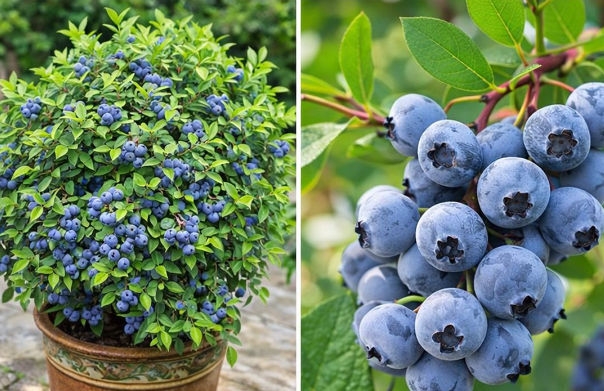
Blueberries are among the easiest and most rewarding fruits you can grow at home—even if you don’t have a garden. With the right container, soil, and care, blueberry plants can thrive on balconies, patios, or small backyard spaces. Growing blueberries in pots also allows you to control soil conditions more easily, which is important because blueberries require acidic soil to grow well.
This guide explains step by step how to grow blueberries in containers at home, from choosing the right variety to harvesting your own sweet berries.
Growing blueberries in containers has several advantages, especially for home gardeners with limited space.
First, containers allow you to control soil acidity. Blueberries need acidic soil with a pH between 4.5 and 5.5, which is often difficult to achieve in normal garden soil. With pots, you can use a specialized soil mix designed for acid-loving plants.
Second, potted blueberry plants are easier to move. You can place them where they receive the most sunlight or move them indoors temporarily during extreme weather.
Finally, growing blueberries in pots reduces competition from weeds and makes plant care simpler for beginners.
Choosing the Right Blueberry Variety
Not all blueberry varieties grow well in containers, so selecting the right type is important.
The best options for pots are compact or dwarf varieties. These plants stay smaller while still producing a good harvest.
Popular container-friendly varieties include:
Top Hat – a dwarf variety ideal for small containers
Sunshine Blue – compact and tolerant of warmer climates
Jelly Bean – produces sweet berries and decorative foliage
Northblue – hardy and suitable for cooler regions
If possible, grow two different varieties. Cross-pollination between plants often improves fruit production.
Choosing the Right Pot
Blueberries have shallow but spreading roots, so the container must be wide enough to allow the plant to grow comfortably.
Recommended container size:
Minimum diameter: 30–40 cm (12–16 inches)
Depth: at least 30 cm
Drainage holes: essential
Materials such as plastic, ceramic, or wooden containers work well. Avoid very small pots, as blueberry plants need space for healthy root development.
The Best Soil for Blueberries
Soil is the most important factor when growing blueberries in pots.
Blueberries require acidic, well-drained soil. Regular garden soil is usually not suitable.
A good container mix may include:
50% peat moss or coco peat
30% pine bark
20% perlite or sand for drainage
You can also use commercial soil mixes designed for acid-loving plants, often labeled for blueberries, azaleas, or rhododendrons.
Maintaining proper soil acidity is essential for plant health and fruit production.
How to Plant Blueberries in a Pot
Planting blueberries in containers is simple if you follow these steps.
Prepare the container
Choose a pot with drainage holes and fill it partially with the acidic soil mix.
Remove the plant from its nursery pot
Gently loosen the roots if they appear tightly packed.
Position the plant
Place the plant in the center of the container so the root crown sits slightly above the soil surface.
Fill with soil
Add more soil around the roots and gently press it down to remove air pockets.
Water thoroughly
After planting, water the container well so the soil settles around the roots.
Sunlight Requirements
Blueberry plants need plenty of sunlight to produce fruit.
For best growth, place containers where plants receive:
6–8 hours of direct sunlight per day
A sunny balcony, terrace, or garden location works well. Without enough sunlight, plants may grow but produce fewer berries.
Watering Blueberry Plants
Blueberries require consistent moisture, but they do not tolerate waterlogged soil.
General watering guidelines:
Keep the soil evenly moist, not dry and not soggy
Water more frequently during hot weather
Containers may need watering once per day in summer
Using rainwater can be beneficial because it is naturally low in minerals and helps maintain soil acidity.
Fertilizing Blueberries in Containers
Because nutrients wash out of containers faster than garden soil, blueberry plants benefit from occasional feeding.
Use fertilizers formulated for acid-loving plants.
Typical fertilizing schedule:
Early spring – first feeding
Late spring – second feeding
Early summer – optional third feeding
Avoid over-fertilizing, as blueberries prefer moderate nutrient levels.
Protecting Blueberries in Winter
In colder climates, potted blueberry plants may need extra protection during winter.
Possible options include:
moving containers to a sheltered area
placing pots against a wall to reduce wind exposure
covering containers with insulating material
Because roots in containers are more exposed to cold than garden plants, winter protection can help prevent damage.
When Blueberries Start Producing Fruit
Blueberry plants usually begin producing fruit 1–2 years after planting, depending on the variety and plant age.
Berries ripen gradually, turning from green to pink and finally deep blue.
For best flavor, allow berries to remain on the plant for a few days after turning blue before harvesting.
Common Problems When Growing Blueberries in Pots
Although blueberries are relatively easy to grow, a few issues may occur.
Yellow leaves
Often caused by soil that is not acidic enough.
Poor fruit production
Usually due to insufficient sunlight or lack of cross-pollination.
Dry soil
Containers dry out faster than garden beds, so consistent watering is important.
Monitoring plants regularly helps identify and correct problems early.
Growing blueberries in pots is an excellent way to enjoy fresh fruit at home, even with limited space. By choosing the right variety, using acidic soil, and providing adequate sunlight and water, blueberry plants can thrive in containers and produce delicious berries year after year.

Add comment