

 wawstock
Urine color is one of the simplest ways your body communicates what’s going on inside. You don’t need medical equipment—just a quick glance can provide clues about hydration, diet, and overall health.
Here’s a clear breakdown of what different urine colors may indicate.
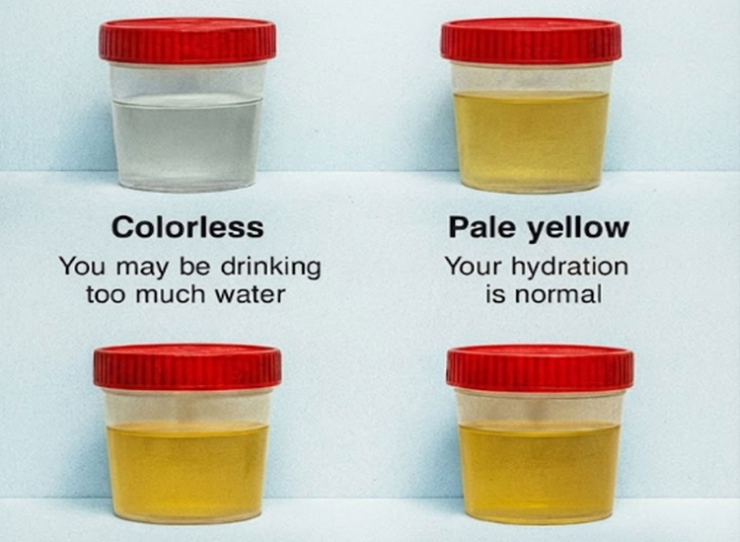
1.Colorless Urine
“You may be drinking too much water”
Urine that looks almost like water is usually a sign that you’re over-hydrating.
Possible causes:
Drinking excessive amounts of water
Certain medications (diuretics)
What to do:
Reduce water intake slightly if you’re urinating very frequently.
2.Pale Yellow Urine
“Your hydration is normal”
This is considered healthy and ideal. Your body is hydrated and your kidneys are functioning normally.
Usually means:
Good hydration
Balanced fluid intake
3.Transparent Yellow Urine
“You are well hydrated”
This shade indicates optimal hydration and normal kidney function.
Common when:
You drink the right amount of water daily
Your diet is balanced
4.Transparent Yellow (Darker Tint)
“You need more water”
This is still yellow, but with a more concentrated tone.
Possible reasons:
Mild dehydration
Sweating heavily
Not drinking enough fluids
Solution:
Drink a glass of water and monitor how the color changes throughout the day.
5.Amber or Dark Yellow
“You may be dehydrated”
This deeper shade often indicates that your kidneys are conserving water.
Possible causes:
Dehydration
Heat exposure
Exercise without replenishing fluids
Not drinking enough all day
What to do:
Increase hydration gradually—especially water and electrolyte-rich fluids.
6.Brown Urine
“May indicate severe dehydration or other health issues”
Brown urine is not normal and may be caused by:
Possible causes include:
Severe dehydration
Liver or bile duct issues
Certain medications or foods
Important:
If this color persists, contact a healthcare professional promptly.
Other Colors (Not in the Image But Important)
Green
Rare; can come from medication, food dyes, or infections.
Red or Pink
Could be from beets, berries, or could indicate blood in urine—consult a doctor if unsure.
Blue
Very rare; usually due to medication or food dyes.
Orange
Dehydration, supplements, or medication.
When to Seek Medical Advice
Contact a doctor if urine is:
Consistently very dark
Red, orange, or brown without dietary cause
Foamy or bubbly persistently
Accompanied by pain, fever, or swelling
Your urine color is a simple yet powerful indicator of hydration and health. Most color changes are related to fluid intake, diet, and normal variations. But persistent abnormal colors could signal something more serious.

Add comment