

 wawstock
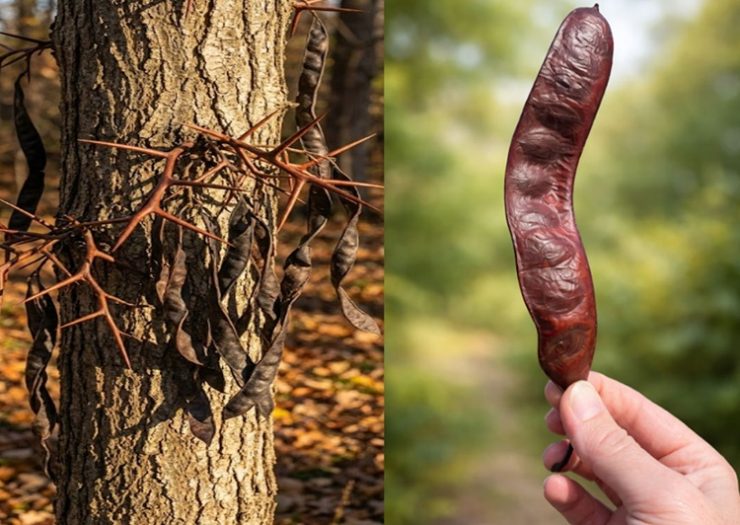
The honey locust tree (Gleditsia triacanthos) is often admired for its striking appearance—tall, airy, and covered with long, intimidating thorns. But beyond its rugged exterior lies a remarkable plant with a rich history of traditional uses, nutritional value, and ecological benefits. Known for its sweet seed pods and its hardiness in harsh environments, the honey locust tree is far more useful than most people realize.
From natural remedies and livestock feed to soil regeneration and sustainable agriculture, the honey locust carries a hidden power that many modern gardeners and herbal enthusiasts are only now rediscovering.
Native to North America, the honey locust tree grows up to 25–30 meters tall and thrives in a wide variety of soils. It’s easily recognized by its:
long, sharp thorns
fragrant flowers
twisted, sweet seed pods
delicate, fern-like leaves
Historically, Indigenous communities and early settlers made extensive use of nearly every part of the tree—from the bark and pods to the seeds and wood.
Top Benefits of the Honey Locust Tree
1.A Natural Sweetener with Nutritional Value
The tree’s long brown pods contain a sweet, edible pulp once used as:
a natural sweetener
a nutritious food source
livestock feed
The pulp is rich in:
natural sugars
fiber
minerals
It was traditionally chewed raw or fermented into beverages.
2.Supports Soil Health and Regeneration
Honey locust trees improve soil by:
fixing nitrogen (indirectly through soil microorganisms)
increasing organic matter through falling leaves
preventing erosion with their strong root systems
Farmers sometimes plant honey locust trees intentionally for sustainable land restoration.
3.Traditional Herbal Uses
In folk medicine, various parts of the tree were used for:
soothing sore throats
mild antimicrobial support
aiding digestion
While modern research is limited, these traditional uses highlight the tree’s long-standing medicinal reputation.
Disclaimer: Honey locust preparations are not a substitute for medical treatment. Always consult a healthcare professional before using plant-based remedies.
4.Sustainable Animal Feed
Farmers have historically fed livestock honey locust pods because the sweet pulp provides:
energy
fiber
natural sugars
Some homesteaders still use honey locust pods today as an inexpensive, natural feed supplement.
5.High-Quality, Durable Wood
Honey locust wood is:
extremely strong
rot-resistant
excellent for fence posts, furniture, and outdoor structures
Its durability makes it a valuable alternative to chemically treated lumber.
6.A Beautiful Shade Tree
Because of its airy canopy and drought tolerance, honey locust trees are popular for:
landscaping
city planting
providing natural shade
Their filtered light allows grass and flowers to grow underneath—something rare for large trees.
Other Uses of Honey Locust
Natural dye from the pods
Produces shades of brown and amber.
Crafting tools and implements
Historically used for making weapons due to wood strength.
Living fences
The thorny varieties create natural barriers that protect farms and property.
Precautions
While the sweet pulp from honey locust pods is edible, the seeds and certain parts of the tree may be toxic if consumed in large amounts.
Also:
The thorns can cause serious injuries.
Avoid confusion with black locust, which contains toxic compounds.
The honey locust tree is more than just a striking ornamental plant. It is a nutritional resource, a soil-building ally, a traditional remedy, and a valuable material for sustainable living. Its hidden power has been known for centuries, and today, people are rediscovering its incredible potential.

Add comment