

 wawstock
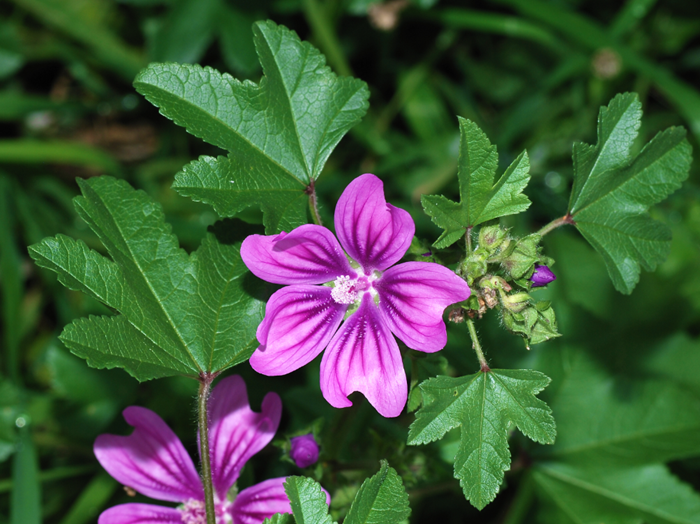
Malva sylvestris, also known as common mallow, is a wild medicinal herb native to Europe, North Africa, and Asia. It belongs to the Malvaceae family, which also includes hibiscus and hollyhock.
This modest-looking plant with its soft green leaves and purple-pink flowers has been used in traditional medicine for centuries — as a remedy for respiratory problems, digestive disorders, and skin inflammation.
Nutritional Profile
Malva sylvestris is rich in:
Mucilage – natural plant polysaccharides that soothe and protect mucous membranes
Flavonoids – antioxidants that fight inflammation and oxidative stress
Tannins – natural compounds that help tighten and heal tissues
Vitamins A, B, C, and E
Minerals – including calcium, magnesium, potassium, and iron
These compounds make mallow a powerful natural remedy for both internal and external health issues.
1.Respiratory Benefits – Soothes Throat and Lungs
Malva sylvestris acts as a natural expectorant and demulcent, coating irritated mucous membranes.
Relieves dry cough, bronchitis, and sore throat
Reduces inflammation in the airways
Helps loosen mucus and ease breathing
How to use:
Prepare a mallow tea by steeping 1 tablespoon of dried leaves or flowers in 250 ml of hot water for 10–15 minutes. Drink 2–3 times per day.
2.Digestive System Support
The plant’s mucilage helps soothe the stomach lining and reduce inflammation in the intestines.
Relieves acid reflux and gastritis
Eases constipation and bowel irritation
Supports detoxification and gentle digestion
How to use:
Drink mallow tea before meals, or add the leaves to soups and broths as a mild digestive aid.
3.Skin Healing and Anti-Inflammatory Properties
Malva leaves and flowers can be used externally for wounds, insect bites, eczema, and burns.
The mucilage forms a protective layer that promotes faster healing and calms irritation.
Reduces swelling and redness
Hydrates and softens the skin
Helps heal cracked skin and mild infections
How to use:
Prepare a mallow compress with cooled tea and apply it to the affected area.
Or use mallow-infused oil as a soothing topical remedy.
4.Urinary Tract and Kidney Support
Mallow acts as a natural diuretic, increasing urine flow and flushing toxins from the urinary system.
Helps relieve urinary tract infections (UTIs)
Reduces bladder inflammation
Prevents kidney stone formation (when used regularly with hydration)
How to use:
Drink mallow tea daily for 5–7 days during mild urinary discomfort.
5.Anti-Inflammatory and Antioxidant Benefits
Thanks to its high content of flavonoids and anthocyanins, Malva sylvestris helps combat:
Chronic inflammation
Free-radical damage
Early signs of aging
Joint pain and arthritis symptoms
It’s a natural detoxifier and immune booster, supporting overall vitality.
How to Use Malva Sylvestris
As a Herbal Tea (Infusion)
How to prepare:
Add 1 tablespoon of dried mallow leaves or flowers to a cup (250 ml) of hot water.
Cover and let it steep for 10–15 minutes.
Strain and drink 2–3 times a day.
As a Cold Maceration (for maximum mucilage)
How to prepare:
Place 1–2 tablespoons of dried flowers or leaves in 250 ml of cold water.
Let it soak for 8–10 hours (overnight).
Strain and drink throughout the day.
This method is perfect for digestive issues and irritated mucous membranes.
As a Poultice or Compress (External Use)
How to prepare:
Crush fresh leaves (or rehydrate dried ones in hot water).
Wrap them in gauze or apply directly to the affected area.
Leave for 20–30 minutes, then rinse gently.
Repeat 1–2 times daily until the irritation subsides.
Mallow Oil or Ointment (for Skin and Muscles)
How to make infused oil:
Fill a glass jar halfway with dried mallow flowers or leaves.
Cover with cold-pressed olive oil.
Seal and leave in a sunny spot for 2–3 weeks, shaking occasionally.
Strain and store in a dark glass bottle.
Apply gently to skin as needed.
Precautions and Side Effects
Malva sylvestris is considered very safe when used properly.
However:
Avoid excessive use during pregnancy or breastfeeding without consulting a doctor.
People taking prescription medications (especially for diabetes or diuretics) should consult a healthcare professional before regular use.
Use only organically grown plants — wild mallow can absorb heavy metals from polluted soils.
Malva sylvestris, the humble common mallow, is a true natural healer.
From calming the throat and stomach to rejuvenating the skin, this plant offers gentle yet powerful medicinal effects.
The information presented in this article about Malva sylvestris (common mallow) is intended for educational and informational purposes only.
It is not a substitute for professional medical advice, diagnosis, or treatment.

Add comment