

 wawstock
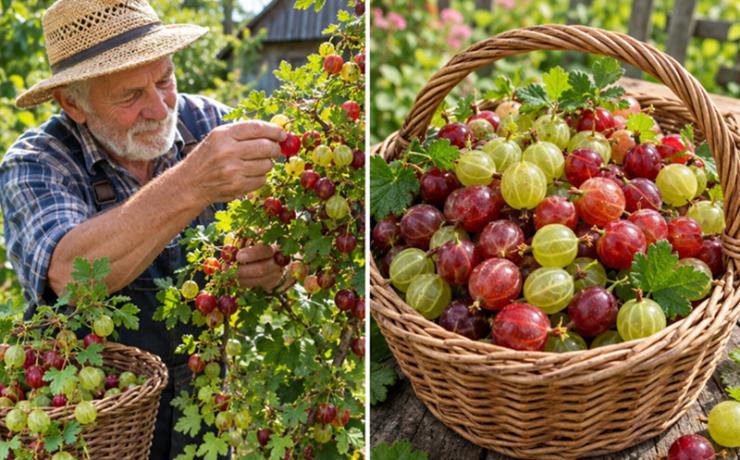
Gooseberries may not be as famous as blueberries or raspberries, but these small green, yellow, red, or purple fruits deserve a place in your summer kitchen. With their distinctive sweet-tart flavor, gooseberries (Ribes uva-crispa) can be enjoyed fresh or transformed into delicious homemade preserves.
They also provide fiber, vitamin C, and a variety of naturally occurring plant compounds.
- A Good Source of Vitamin C
Gooseberries contain vitamin C, which contributes to normal immune function, collagen production, and protection of cells from oxidative stress.
Eating them fresh is one of the simplest ways to include them in a varied diet. - Rich in Antioxidant Plant Compounds
Gooseberries contain polyphenols and other antioxidant compounds. Red and darker varieties also contain anthocyanins, the pigments responsible for their beautiful color.
These compounds are being studied for their potential role in supporting overall health as part of a balanced diet. - They Provide Fiber
Eating whole gooseberries provides dietary fiber, which supports normal digestion and helps make fruit more satisfying.
Their combination of fiber, water, and naturally occurring sugars makes them an excellent seasonal snack.
How Can You Eat Gooseberries?
Fully ripe gooseberries can be eaten fresh straight from the bush after washing. Depending on the variety and ripeness, their flavor ranges from sharply tart to pleasantly sweet.
You can also use them in:
- Smoothies and fruit bowls
- Yogurt and oatmeal
- Pies and cakes
- Sauces and compotes
- Chutneys
- Homemade juice
- Gooseberry jam
Gooseberry Jam: A Delicious Way to Preserve the Harvest
If you have more gooseberries than you can eat fresh, homemade gooseberry jam is one of the best ways to preserve them.
Gooseberries naturally contain pectin, which helps jams and preserves set. Their characteristic acidity also balances the sweetness of added sugar beautifully.
Simply cooked with sugar according to a tested preserving recipe, gooseberries can become a thick, sweet-tart jam that’s perfect on toast, pancakes, yogurt, pastries, or alongside breakfast.
Properly canned jam also lets you enjoy your summer harvest long after the gooseberry season has ended.
Can You Freeze Gooseberries?
Yes. Gooseberries freeze very well.
Wash them, remove the stems and blossom ends, dry them, and freeze them in a single layer before transferring them to freezer containers.
Frozen gooseberries are excellent for smoothies, desserts, sauces, and jam later in the year.
Gooseberries are much more versatile than many people realize. They’re naturally rich in vitamin C, fiber, and antioxidant plant compounds, while their distinctive tart flavor works beautifully in both fresh and cooked recipes.
Eat them fresh, freeze them, bake with them, or turn a big harvest into homemade gooseberry jam.
If you’re lucky enough to have a gooseberry bush loaded with fruit, don’t let those little berries go to waste — they’re one of summer’s most underrated treasures.



Add comment