

 wawstock
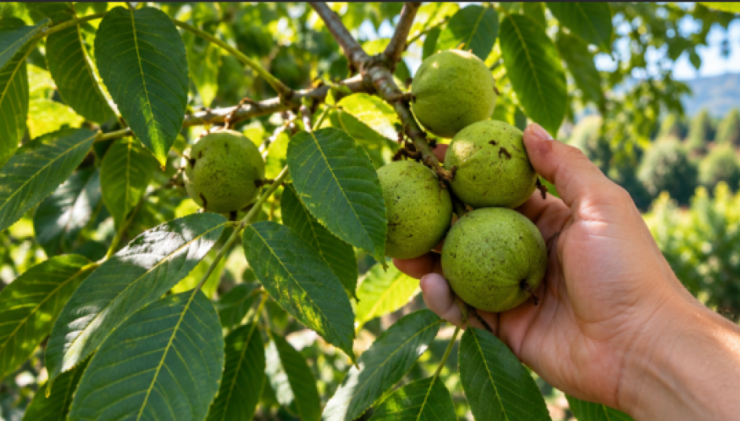
Most people crack open walnuts, enjoy the delicious nuts, and throw away everything else. But did you know that the green outer hull of the walnut (Juglans regia) has been used for generations in traditional preparations, natural dyes, and homemade recipes?
These thick green husks contain interesting natural compounds, including tannins, polyphenols, and juglone. While they are often considered waste, walnut hulls have several practical uses worth discovering.
1.Rich in Natural Plant Compounds
Green walnut hulls contain tannins, flavonoids, phenolic compounds, and juglone, a naturally occurring substance responsible for some of their biological activity.
Laboratory studies have investigated walnut hull extracts for potential antioxidant and antimicrobial properties.
However, these findings do not establish walnut hulls as safe or effective treatments for infections, skin conditions, or other diseases.
2.A Traditional Natural Dye
One of the most fascinating uses of walnut hulls is making a natural brown dye.
For centuries, walnut husks have been used to color fabrics, wool, wood, and other materials.
Their natural pigments produce beautiful shades ranging from golden brown to deep chocolate.
Recipe: Homemade Walnut Hull Dye
Ingredients:
10–15 green walnut hulls
2 liters of water
A stainless-steel pot
A strainer
Instructions:
Wear gloves and cut the green hulls into smaller pieces.
Place them in a pot and cover with water.
Simmer gently for 45–60 minutes.
Allow the mixture to cool.
Strain the liquid and use it to dye suitable natural fibers or unfinished wood.
The longer the material remains in the dye, the deeper the color may become. Always test a small area first.
3.Homemade Nocino: Traditional Green Walnut Liqueur
One of the most famous culinary uses of young walnuts is nocino, a traditional Italian liqueur.
Unlike recipes that use only the discarded hulls, nocino is traditionally prepared using whole, immature green walnuts while their inner shells are still soft.
Recipe: Traditional Nocino
Ingredients:
20–25 young green walnuts
1 liter of vodka or another neutral spirit (approximately 40% alcohol)
400–500 g sugar
1 cinnamon stick
A few cloves
Lemon zest, optional
Instructions:
Wash the young walnuts and cut them into quarters while wearing gloves.
Place them in a clean glass jar.
Add the alcohol, cinnamon, cloves, and optional lemon zest.
Close the jar and leave it in a cool, dark place for approximately 6–8 weeks.
Strain the liquid and add sugar syrup made by dissolving the sugar in a little water and allowing it to cool.
Transfer to clean bottles and allow the liqueur to mature for several weeks or months.
The result is a dark, aromatic, slightly bitter liqueur traditionally enjoyed in small quantities.
Nocino is an alcoholic beverage, not a medicinal remedy.
4.Walnut Hulls for Natural Garden Dye
Walnut hulls can also be used to make a dark liquid stain for rustic wooden garden decorations.
Simple Walnut Wood Stain
Collect several fresh walnut hulls.
Place them in water and simmer for about one hour.
Let the mixture cool and strain it.
Apply the liquid to unfinished wood using a brush.
Allow it to dry completely and repeat for a darker shade.
This traditional technique can give untreated wood a beautiful aged appearance.
Remember that walnut dye stains skin, clothing, and surrounding surfaces very easily.
5.What About Traditional Herbal Uses?
Walnut hulls have historically appeared in folk preparations for skin care and other purposes.
Modern research has examined their compounds for potential biological activity, but concentrated walnut hull extracts can irritate the skin and may be harmful if swallowed.
Homemade walnut hull teas, tinctures, and concentrated extracts should not be consumed as health remedies without appropriate safety evidence.
Important Precautions
Always wear gloves when handling fresh green walnut hulls.
Avoid applying concentrated hull extracts directly to your skin.
Never use walnut hull preparations to treat infections or parasites.
Do not confuse mature discarded hulls with the young whole walnuts traditionally used for nocino.
Keep concentrated extracts away from children and pets.
Walnut hulls may look like ordinary garden waste, but they have a fascinating history of practical uses.
From natural brown dyes and rustic wood stains to traditional green walnut liqueur, the walnut tree offers much more than the edible nuts hidden inside its shell.

Add comment