

 wawstock
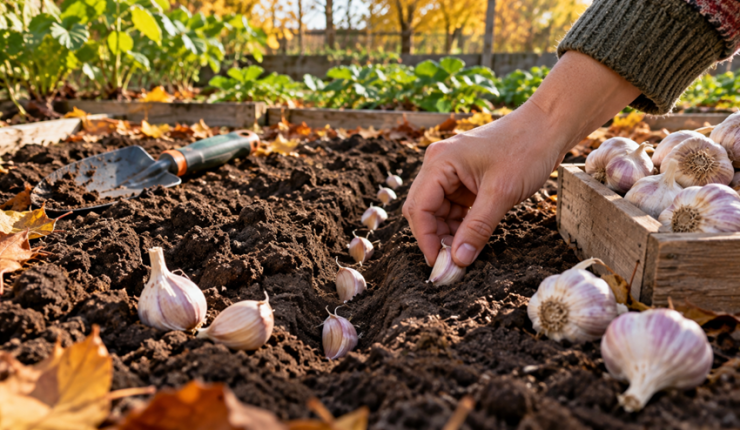
Did you know that autumn is one of the best times to plant garlic? While most gardeners are preparing their gardens for winter, experienced growers are already planting the cloves that will become next summer’s delicious garlic bulbs.
Planting garlic in fall allows the roots to develop before winter, giving the plants a strong start when spring arrives.
Here’s how to grow bigger, healthier garlic bulbs with a few simple steps!
1.When Is the Best Time to Plant Garlic?
The ideal time to plant garlic is approximately 4–6 weeks before the ground freezes, usually between September and November in colder climates.
This gives the cloves enough time to establish roots before winter.
In warmer regions, garlic can be planted later in the season.
2.Choose the Right Garlic Cloves
For the best results, select large, firm, healthy cloves from garlic intended for planting.
There are two main types:
Hardneck garlic: Ideal for colder climates, often producing large cloves.
Softneck garlic: Better suited to milder winters and generally stores longer.
Avoid soft, damaged, or moldy cloves.
Gardening secret: Larger planting cloves often produce stronger plants and potentially bigger bulbs.
3.Prepare the Soil
Garlic grows best in loose, fertile, well-draining soil with plenty of sunlight.
Before planting:
Choose a location receiving 6–8 hours of direct sunlight.
Loosen the soil to approximately 20 cm (8 inches).
Mix in well-rotted compost.
Avoid areas where water collects after rain.
Healthy soil is one of the keys to a successful garlic harvest.
4.How to Plant Garlic Step by Step
Planting garlic is incredibly easy!
Step 1: Separate the garlic bulb into individual cloves, keeping their papery skins intact.
Step 2: Place each clove in the soil with the pointed end facing upward.
Step 3: Plant approximately 5–8 cm (2–3 inches) deep.
Step 4: Space cloves 10–15 cm (4–6 inches) apart, leaving 20–30 cm between rows.
Step 5: Cover with soil and water gently.
That’s it! Your garlic is ready to begin developing roots.
5.The Mulching Trick for Winter Protection
After planting, cover the soil with approximately 5–10 cm (2–4 inches) of straw or shredded dry leaves.
Mulching helps protect garlic from extreme temperature changes, reduces weeds, and preserves soil moisture.
In spring, loosen thick mulch if it prevents new shoots from emerging.
6.How to Care for Garlic in Spring
Once warmer weather arrives, garlic begins growing quickly.
For healthy bulbs:
Water regularly during dry periods, without soaking the soil.
Remove weeds that compete for nutrients.
Provide adequate nutrients during early spring growth.
Remove hardneck garlic scapes when they appear to encourage bulb development.
Reduce watering as the garlic approaches harvest time.
7.When to Harvest Garlic
Autumn-planted garlic is generally ready for harvesting in late spring or summer.
The best sign: Several lower leaves turn brown while some upper leaves remain green.
Carefully lift the bulbs using a garden fork and avoid damaging them.
Allow the harvested garlic to dry in a shaded, well-ventilated area for approximately 2–4 weeks before storing.
8.Common Mistakes to Avoid
Planting cloves too close together.
Using damaged or unhealthy garlic.
Growing garlic in waterlogged soil.
Allowing weeds to overcrowd the plants.
Harvesting too early or too late.
Avoiding these simple mistakes can make a noticeable difference in your harvest.
Growing garlic is one of the easiest and most rewarding gardening projects.
With healthy cloves, fertile soil, and proper autumn planting, you can enjoy a generous harvest of flavorful garlic next summer.

Add comment