

 wawstock
What if one tree could provide nutritious leaves that you can enjoy fresh, cooked, dried, or even as a homemade herbal tea?
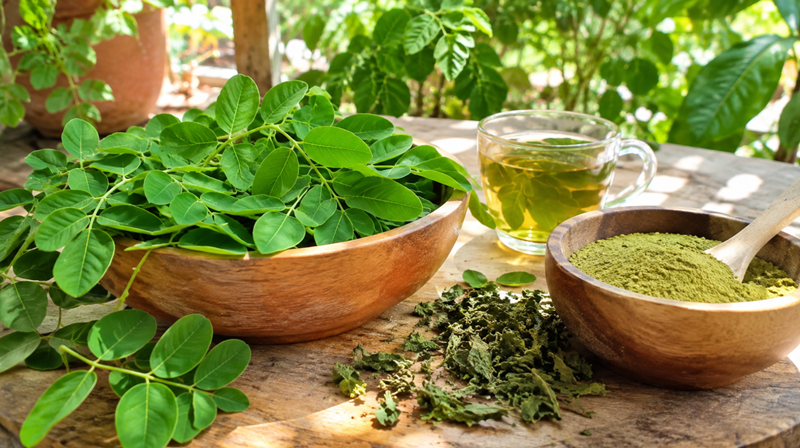
Meet Moringa oleifera, often called the Miracle Tree or Tree of Life. Native to parts of South Asia and widely grown in tropical regions, moringa has been valued for generations as both a food source and a traditional medicinal plant.
Its delicate green leaves may look ordinary, but they contain an impressive variety of nutrients and beneficial plant compounds.
Here’s why moringa leaves deserve more attention!
1.Why Are Moringa Leaves So Special?
Moringa leaves are naturally rich in several important nutrients, including:
Vitamin A precursors: Carotenoids that support normal vision and immune function.
Vitamin C: An antioxidant that contributes to normal immune function, although drying and cooking can reduce its content.
Calcium: Important for maintaining healthy bones and teeth.
Iron: Essential for normal red blood cell formation.
Potassium: Helps support normal muscle and nerve function.
Protein: Moringa leaves provide plant-based protein, particularly in dried form.
They also contain polyphenols and other antioxidants that help protect plant cells and are being studied for their potential effects on human health.
2.Potential Health Benefits of Moringa Leaves
Supports a Nutritious Diet
Moringa leaves can help increase the variety of vitamins, minerals, and plant compounds in everyday meals.
Provides Antioxidants
Moringa contains compounds such as quercetin and chlorogenic acid, which have demonstrated antioxidant activity in laboratory studies.
May Support Healthy Blood Sugar Levels
Some small human studies have investigated moringa’s effects on blood glucose. However, the evidence remains limited, and moringa should not replace diabetes medication.
May Support Heart Health
Researchers are studying whether moringa compounds influence cholesterol and other cardiovascular risk factors. More high-quality human studies are needed.
Contributes to Digestive Health
Fresh moringa leaves contain dietary fiber, which supports normal digestive function.
Important: Moringa is a nutritious food, not a proven cure for diseases.
3.Eight Easy Ways to Use Moringa Leaves
One of the best things about moringa is its versatility in the kitchen.
1.Fresh Moringa Leaves in Soups
Add washed moringa leaves to vegetable soups during the final minutes of cooking.
2.Moringa Leaf Tea
Steep 1 teaspoon of dried moringa leaves in a cup of hot water for 5–10 minutes. Strain and enjoy.
3.Moringa Smoothies
Blend a small amount of washed fresh moringa leaves with banana, mango, or pineapple for a nutritious green smoothie.
4.Sautéed Moringa Greens
Cook fresh leaves with olive oil, garlic, and a little lemon juice, just as you would spinach.
5.Homemade Moringa Powder
Dry clean moringa leaves thoroughly using a food dehydrator at a low temperature. Grind the completely dried leaves into a fine powder and store in an airtight container.
6.Moringa in Omelets
Add chopped moringa leaves to eggs, along with onions, tomatoes, and herbs.
7.Moringa Rice and Curries
Stir fresh leaves into rice dishes, lentil stews, or vegetable curries for extra flavor and nutrients.
8.Moringa Pesto
Blend fresh moringa leaves with basil, garlic, nuts, olive oil, and Parmesan cheese for a flavorful homemade pesto.
4.How to Harvest and Store Moringa Leaves
For the best quality, harvest healthy, tender leaves from plants that haven’t been treated with unsafe pesticides.
Pick young, fresh leaves.
Wash thoroughly before use.
Remove tough stems.
Refrigerate fresh leaves and use them within a few days.
Freeze blanched leaves for longer storage.
Dry leaves completely before making powder.
Proper drying and storage help prevent mold and preserve the leaves for future recipes.
5.Are There Any Side Effects?
Moringa leaves are commonly eaten as food, but concentrated supplements deserve more caution.
Large supplemental doses may cause digestive discomfort and could interact with medications, particularly those used to manage blood sugar or blood pressure.
Pregnant or breastfeeding individuals should seek medical advice before using concentrated moringa supplements. Avoid consuming moringa roots or bark as home remedies, as these parts have different safety concerns.
For most people, using properly prepared moringa leaves in ordinary food quantities is a more sensible approach than taking high-dose extracts.
Moringa leaves are one of the most versatile and nutritious greens you can add to your diet.
Whether enjoyed in soups, smoothies, herbal tea, homemade pesto, or dried powder, they offer an easy way to introduce more plant-based nutrients into everyday meals.
Their traditional uses and interesting nutritional profile make them worth exploring, even though many popular medicinal claims still require stronger scientific evidence.


Add comment