

 wawstock
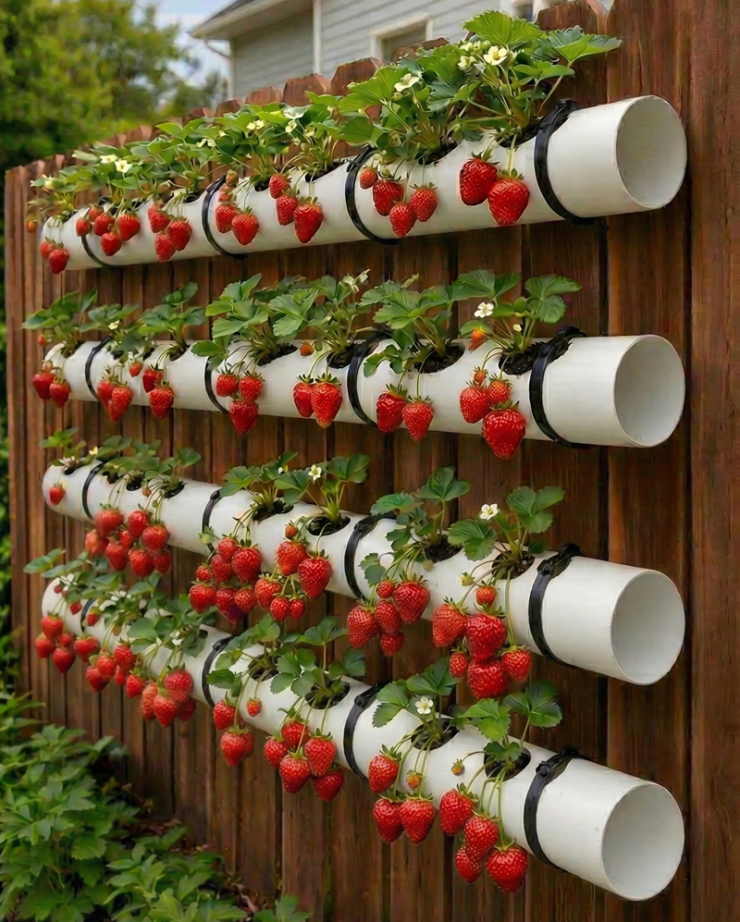
Growing strawberries at home can be both rewarding and highly productive—if you use the right techniques. Whether you’re working with limited space or aiming to maximize output, understanding how to optimize plant health, structure, and care will dramatically increase your harvest.
1.Choose the Right Growing System
Strawberries thrive in well-drained environments with good air circulation. One of the most effective methods for boosting yield is vertical or elevated growing systems. These setups:
Improve drainage
Reduce soil-borne diseases
Maximize sunlight exposure
Allow for higher plant density
By elevating plants, you also minimize fruit rot and pest damage, leading to cleaner, healthier strawberries.
2.Select High-Yield Varieties
Not all strawberries are created equal. For bigger harvests, choose varieties known for productivity:
Everbearing – produce multiple harvests per season
Day-neutral – consistent fruiting regardless of daylight
June-bearing – large, concentrated harvest (great for bulk)
For continuous supply, combining different types is a strategic move.
3.Optimize Sunlight Exposure
Strawberries require at least 6–8 hours of direct sunlight daily. Insufficient light leads to:
Smaller fruits
Reduced sweetness
Lower yields
Position your plants in a location with maximum sun exposure, preferably facing south or southwest.
4.Use the Right Soil Mix
Strawberries prefer:
Slightly acidic soil (pH 5.5–6.5)
Loose, well-draining structure
Rich organic matter
A high-performance mix includes:
Compost
Coco coir or peat
Perlite or sand for aeration
Avoid heavy clay soils, which retain too much moisture and cause root rot.
5.Water Consistently—but Smart
Strawberries need consistent moisture, especially during flowering and fruiting stages. However:
Overwatering leads to fungal issues
Underwatering reduces fruit size
Best practices:
Water early in the morning
Keep soil moist, not soaked
Use drip irrigation for efficiency
6.Feed for Growth and Fruit Production
Nutrient balance is critical:
Nitrogen (N) for leaf growth
Phosphorus (P) for root and flower development
Potassium (K) for fruit size and sweetness
Use a balanced fertilizer during early growth, then switch to a potassium-rich formula during fruiting.
7.Prune Runners Strategically
Strawberries naturally produce runners (horizontal shoots). While useful for propagation, they drain energy from fruit production.
For bigger harvests:
Remove most runners
Allow only a few if you want new plants
This redirects energy into producing larger, more abundant fruit.
8.Protect Against Pests and Disease
Common threats include:
Slugs
Aphids
Fungal infections
Preventive measures:
Ensure good airflow
Avoid wetting leaves when watering
Use organic mulch to reduce soil splash
Healthy plants are far more productive.
9.Harvest Frequently
Regular harvesting encourages more fruit production. Pick strawberries:
When fully red
Early in the day for best flavor
Leaving overripe fruit on the plant reduces future yield.
Maximizing strawberry harvests isn’t about a single trick—it’s about combining structure, care, and consistency. With proper setup and maintenance, even a small space can produce an impressive quantity of sweet, high-quality fruit.

Add comment