

 wawstock
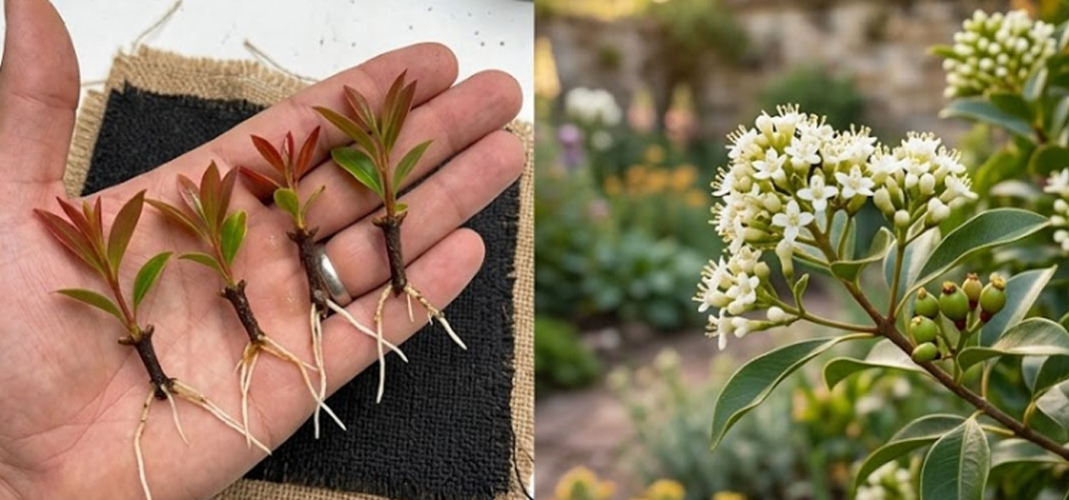
Cloves are best known as the aromatic spice used in cooking, but did you know that cloves actually come from the flower buds of a tropical evergreen tree called Syzygium aromaticum?
With patience and the right conditions, you can grow a clove tree in a pot at home. It isn’t the fastest plant to grow, but it can become a beautiful, fragrant tropical addition to your collection.
1.Start With Fresh Clove Seeds
This is the most important step.
The dried cloves sold as a kitchen spice will not grow. They are dried flower buds, not viable seeds.
You need fresh, mature seeds from a clove tree or a reliable tropical-plant supplier. Clove seeds lose viability relatively quickly, so fresher is better.
2.Prepare the Pot
Choose a pot with several drainage holes. A smaller container is suitable for germination, and you can transplant the seedling into progressively larger pots as it grows.
Clove trees prefer rich, moist but well-draining soil. A mixture of quality potting soil with compost and a drainage material such as perlite can work well.
The goal is to retain moisture without leaving the roots permanently waterlogged.
3.Plant the Seeds
Plant the fresh seed relatively shallowly in the prepared soil and cover it lightly.
Water gently until the growing medium is evenly moist.
Place the pot somewhere warm and humid. Cloves are tropical plants and prefer temperatures of roughly 20–30°C (68–86°F).
Germination can take several weeks, so don’t give up if nothing appears immediately.
4.Give It Plenty of Warmth and Humidity
Young clove plants appreciate bright light but should initially be protected from intense, scorching midday sun.
Humidity is particularly important.
If your home is dry, placing the pot near other tropical plants or using a humidifier can help create better growing conditions.
Avoid exposing the young plant to cold drafts.
5.Water Carefully
Keep the soil consistently moist but never soggy.
Check the surface regularly. If it begins to dry, water thoroughly and allow excess water to drain from the bottom of the container.
Never leave the pot standing permanently in a tray full of water, as poorly aerated soil can damage the roots.
6.Feed During Active Growth
Once your clove tree is established and actively producing new growth, occasional feeding can help.
Use a balanced fertilizer according to the manufacturer’s instructions, or periodically incorporate suitable organic matter such as mature compost.
Avoid excessive fertilizer, particularly while the plant is still young.
7.Repot as the Tree Grows
Remember: a clove plant is ultimately a tree, not a small herb.
As roots begin filling the container, move it into a larger pot. Container growing and occasional pruning can help keep its size manageable.
In warm tropical climates, clove trees can eventually grow quite large outdoors.
When Will You Get Your Own Cloves?
This is where patience becomes important.
A clove tree grown from seed can take several years before it begins flowering, and indoor container conditions may delay flowering even further.
The familiar spice is harvested from the tree’s unopened flower buds, which are picked and dried.
So growing cloves isn’t a quick way to fill your spice cabinet—but it can be a fascinating long-term gardening project.
The secret to successfully growing cloves in a pot is remembering where the plant comes from:
warm temperatures + high humidity + rich soil + consistent moisture + patience.
Give your clove tree tropical conditions and plenty of time, and one tiny seed could eventually become a beautiful evergreen tree producing the aromatic flower buds we know as cloves.

Add comment