

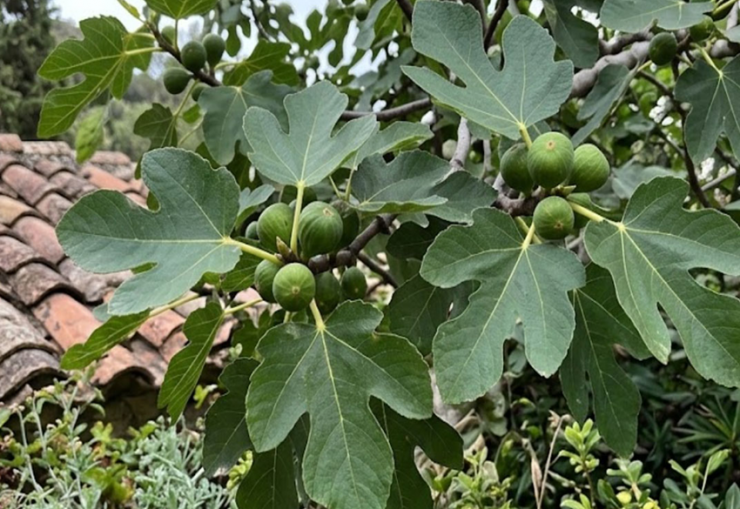
 wawstock
When people think about a fig tree (Ficus carica), the sweet fruit usually gets all the attention. But fig leaves have also been used traditionally in foods and herbal preparations, including a simple aromatic fig leaf tea.
Their distinctive fragrance can be surprisingly pleasant, with some people describing it as green, slightly sweet, and reminiscent of coconut or vanilla.
Why Are Fig Leaves Interesting?
Fig leaves contain naturally occurring plant compounds, including polyphenols and flavonoids, that have attracted scientific interest for their antioxidant properties.
Fig leaf preparations have also been studied for possible effects on blood glucose and metabolic health, although the evidence is still limited and they should not be considered a treatment for diabetes or other medical conditions.
How to Make Fig Leaf Tea
Choose healthy leaves from a correctly identified edible common fig tree (Ficus carica) that hasn’t been treated with pesticides.
Wash the leaves thoroughly and cut them into smaller pieces.
For a simple infusion:
- Use about 1 fresh fig leaf for 2 cups of water.
- Bring the water to a boil.
- Add the chopped leaf and gently simmer for around 5–10 minutes.
- Remove from the heat and allow it to steep briefly.
- Strain thoroughly before drinking.
The tea can be enjoyed warm or cooled and refrigerated for a refreshing drink.
Fresh or Dried Leaves?
Both can be used. If you have an abundance of leaves, they can be washed and dried thoroughly before being stored in an airtight container.
Dried leaves make it easy to prepare small batches of tea even after the growing season has ended.
More Than Just Tea
Fig leaves also have culinary uses. In some cuisines, they are used to wrap foods during cooking, similar to grape leaves, or to infuse syrups, desserts, dairy products, and other recipes with their distinctive aroma.
Precaution
Fresh fig leaves and stems release a milky latex sap that can irritate the skin. Compounds in fig sap can also cause phototoxic reactions, meaning skin exposed to the sap may react more severely when subsequently exposed to sunlight.
Wear gloves when cutting large quantities of fresh leaves, avoid getting the sap on your skin, and wash exposed areas promptly.
Anyone taking medication—particularly blood-glucose-lowering medication—should also speak with a healthcare professional before regularly consuming concentrated fig-leaf preparations.
The fruit may be the star of the fig tree, but its leaves shouldn’t automatically be dismissed as garden waste.
From traditional tea to aromatic culinary uses, fig leaves offer another fascinating way to appreciate the entire tree.
So after harvesting your next basket of figs, take another look at those beautiful green leaves—you may have been overlooking them all along.

Add comment