

 wawstock
Some mushrooms are worth far more than ordinary supermarket produce. From rare underground truffles to golden chanterelles and highly sought-after Japanese matsutake, certain fungi have become luxury ingredients in kitchens around the world.
But what makes these mushrooms so special? Their limited availability, difficult harvesting conditions, distinctive flavors, and growing demand can all contribute to their value.
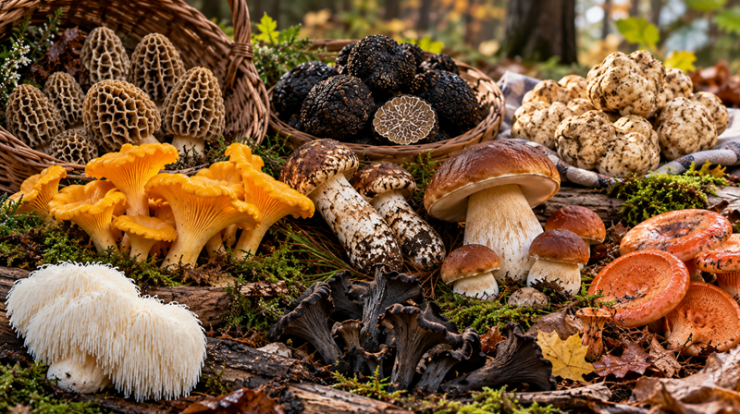
Here are nine remarkable edible mushrooms featured in the picture and the reasons they are so highly appreciated.
1.Morel Mushrooms (Morchella spp.)
Morels are among the most recognizable and valuable wild mushrooms.
Their unusual honeycomb-shaped caps and rich, earthy flavor make them a favorite among chefs.
Why they’re expensive: Morels have a short seasonal harvest, can be difficult to find, and are challenging to cultivate reliably.
How to enjoy them: Sautéed with butter, added to creamy sauces, or dried for winter cooking.
Important: Morels must always be thoroughly cooked.
2.Black Truffles (Tuber spp.)
Black truffles are among the world’s most famous luxury fungi.
They grow underground in association with the roots of certain trees, particularly oak and hazelnut.
Why they’re expensive: Finding mature truffles requires trained dogs, suitable habitats, and careful harvesting.
How to enjoy them: Thinly shaved over pasta, risotto, eggs, or potatoes.
Their powerful aroma means a small amount can transform an entire dish.
3.White Truffles (Tuber magnatum)
White truffles, particularly those associated with Alba in Italy, are among the most expensive edible fungi in the world.
They have an intense, distinctive aroma that is highly valued in fine dining.
Why they’re expensive: Their limited growing regions, seasonal availability, and difficulty of cultivation make them exceptionally rare.
How to enjoy them: Freshly shaved over warm pasta, eggs, or risotto.
White truffles are generally served raw to preserve their delicate aroma.
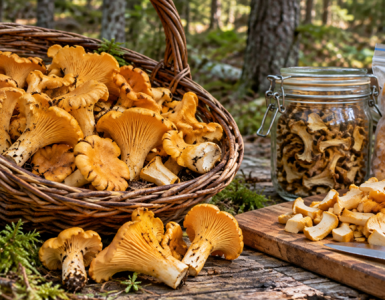
4.Chanterelle Mushrooms (Cantharellus spp.)
Chanterelles are beautiful golden mushrooms known for their wavy caps and delicate fruity fragrance.
They typically grow in forests near living trees.
Why they’re valuable: They are seasonal, labor-intensive to harvest, and difficult to cultivate commercially.
How to enjoy them: Sautéed with butter and herbs, added to soups, or used in creamy pasta dishes.
Chanterelles are also excellent candidates for freezing after cooking.
5.Matsutake Mushrooms (Tricholoma matsutake and related species)
Matsutake mushrooms are especially prized in Japanese cuisine.
They are famous for their firm texture and distinctive spicy, pine-like aroma.
Why they’re expensive: Wild matsutake depend on specific forest conditions, and premium specimens can be exceptionally difficult to find.
How to enjoy them: In traditional Japanese rice dishes, soups, and grilled preparations.
High-quality matsutake can command remarkable prices during peak demand.
6.Porcini Mushrooms (Boletus edulis)
Also known as penny buns or ceps, porcini are among Europe’s most beloved wild mushrooms.
Their thick stems, brown caps, and rich nutty flavor make them extremely versatile.
Why they’re valuable: Premium fresh porcini are seasonal, highly perishable, and often collected by hand.
How to enjoy them: In risotto, soups, pasta sauces, or dried for long-term storage.
Dried porcini are especially popular because their flavor becomes more concentrated.
7.Saffron Milk Cap Mushrooms (Lactarius deliciosus group)
These striking orange mushrooms are prized in Mediterranean and European cooking.
They are often found in association with pine trees.
Why they’re valuable: Their seasonal availability and popularity in regional markets make good-quality specimens desirable.
How to enjoy them: Grilled, sautéed with garlic, or incorporated into traditional mushroom dishes.
Although generally less expensive than truffles or matsutake, they remain a favorite among mushroom enthusiasts.
8.Lion’s Mane Mushroom (Hericium erinaceus)
Lion’s mane looks unlike almost any other mushroom, with long, white, cascading spines resembling a lion’s mane.
Its tender texture is sometimes compared to seafood.
Why it’s valuable: Its unusual appearance, culinary versatility, and popularity as a specialty cultivated mushroom contribute to demand.
How to enjoy it: Sliced and pan-fried, roasted, or used in vegetarian dishes.
Researchers are also studying compounds found in lion’s mane, although health claims require further human research.
9.Black Trumpet Mushrooms (Craterellus cornucopioides)
Black trumpets are dark, funnel-shaped mushrooms that often hide among fallen leaves.
Despite their unusual appearance, they have a wonderfully rich, earthy flavor.
Why they’re valuable: They can be difficult to spot, must usually be collected by hand, and are highly appreciated in gourmet cooking.
How to enjoy them: Dried and added to sauces, soups, risotto, or pasta.
Their deep flavor makes them a favorite ingredient for autumn and winter dishes.
Why Are Some Wild Mushrooms So Expensive?
Several factors influence mushroom prices:
- Rarity: Some species grow only under very specific environmental conditions.
- Seasonality: Many valuable mushrooms appear for only a short period each year.
- Difficult harvesting: Underground truffles and hidden forest mushrooms require time and expertise to collect.
- Limited cultivation: Some species cannot be grown commercially on a reliable scale.
- Culinary demand: Restaurants and gourmet markets pay premiums for exceptional flavor and freshness.
Not every mushroom on this list is equally expensive. White truffles, premium black truffles, and top-grade matsutake generally occupy a much higher price category than cultivated lion’s mane or common saffron milk caps.
Important Mushroom Safety Reminder
Never eat wild mushrooms based solely on photographs or online descriptions.
Some edible species have dangerous lookalikes, and incorrect identification can cause severe poisoning.
Always have wild mushrooms identified by a qualified local expert before consumption.
Final Thoughts
From the luxurious white truffle to the golden chanterelle and mysterious black trumpet, the world of edible mushrooms is full of extraordinary discoveries.
Some are valued for their rarity, others for their unforgettable flavor, and a few for both.


Add comment