

 wawstock
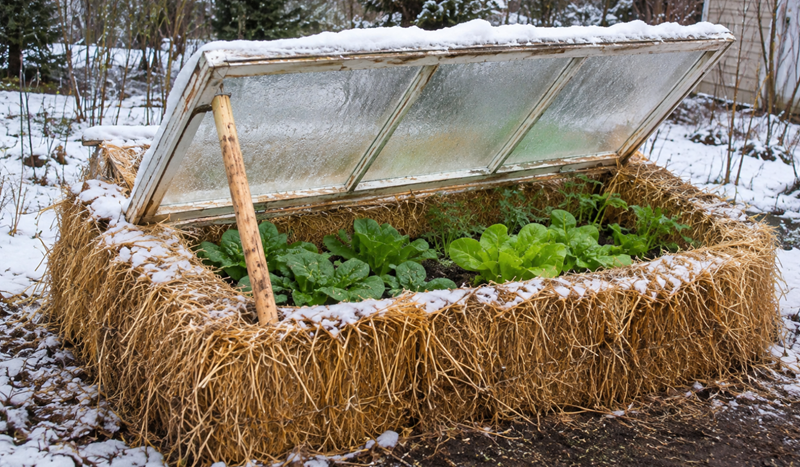
When temperatures drop and snow covers the garden, most people assume the growing season is over. But there’s a simple, affordable gardening technique that can help protect your vegetables from freezing weather: a straw bale cold frame.
Using straw bales and an old window or transparent cover, you can create a miniature greenhouse that helps extend your harvest well into the colder months.
Why Does a Straw Bale Cold Frame Work?
Straw bales act as natural insulation, reducing heat loss around your plants. A transparent cover allows sunlight to enter and helps trap some warmth during the day.
Together, they create a sheltered growing space that can protect cold-hardy vegetables from wind, frost, and sudden temperature changes.
However, a cold frame doesn’t generate its own heat, so additional protection may be necessary during prolonged, severe freezes.
What You’ll Need
- 6–10 straw bales, depending on the size
- An old window, polycarbonate panel, or clear greenhouse cover
- Bricks, stakes, or wooden supports
- Well-draining garden soil
- Seeds or young cold-hardy vegetable plants
- A thermometer
How to Build Your Straw Bale Cold Frame
Step 1:Choose a sunny location
Find a sheltered spot that receives plenty of winter sunlight, preferably facing south in the Northern Hemisphere.
Step 2:Arrange the straw bales
Place the bales in a rectangular shape, creating insulated walls around your growing bed. Make the northern wall slightly higher to support a sloping cover.
Step 3:Prepare the soil
Loosen the soil inside the frame and add mature compost if needed. Ensure water can drain freely.
Step 4:Install the transparent cover
Position an old window or polycarbonate panel over the bales. Secure it against wind and make sure it can be opened for ventilation.
Avoid old painted windows with potentially hazardous coatings, and handle glass carefully.
Step 5:Plant your winter greens
Choose vegetables that tolerate cool conditions and grow well in limited winter daylight.
Best Vegetables to Grow in a Winter Cold Frame
- Spinach: Very cold-tolerant and suitable for winter harvesting.
- Kale: Handles low temperatures and produces nutritious leaves.
- Lettuce: Cold-hardy varieties can provide tender greens.
- Mâche (corn salad): Excellent for growing in cool weather.
- Arugula: A fast-growing green with a peppery flavor.
- Asian greens: Tatsoi and mizuna are useful choices for protected winter beds.
For the best results, establish your plants in autumn, before daylight and temperatures drop significantly.
Important Winter Growing Tips
Ventilate on sunny days. Temperatures inside a closed cold frame can rise surprisingly quickly, even when the air outside is cold.
Water sparingly. Winter plants need less water, but the soil shouldn’t dry out completely.
Remove heavy snow. Prevent excessive weight from damaging the transparent cover.
Check temperatures regularly. During extreme cold, add horticultural fleece inside the frame or provide extra insulation.
A straw bale cold frame is one of the simplest ways to extend your gardening season without building an expensive greenhouse.
With a few straw bales, a transparent cover, and the right vegetables, you can enjoy fresh homegrown greens during parts of winter when the rest of your garden is resting.

Add comment