

 wawstock
Malva neglecta, known as common mallow, is a resilient and widespread plant found in fields, gardens, and along paths throughout Europe and beyond.
While many people recognize its soft, round leaves and delicate pinkish-purple flowers, few realize that the fruits — the small, round, cheese-like pods — are edible and medicinal.
Used since ancient times in traditional herbal medicine, the fruits of Malva neglecta offer gentle yet powerful healing effects on the body, especially for the digestive system, skin, and respiratory tract.
What Are Common Mallow Fruits?
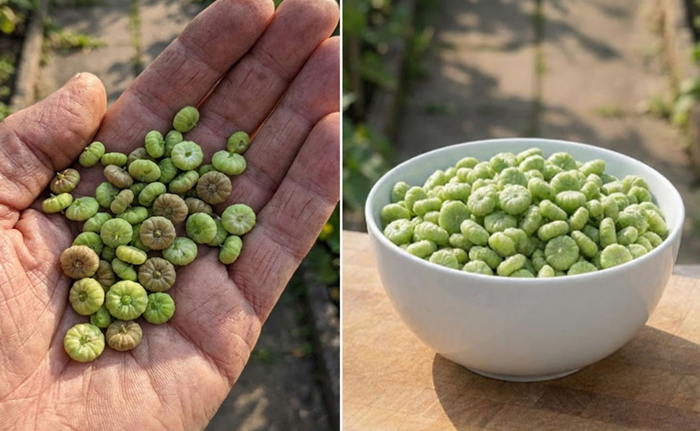
The fruits of Malva neglecta are small, round capsules that look like tiny green “cheese wheels,” which is why they are often called “mallow cheese”.
They form after the plant’s flowers fade and are completely edible when young and tender.
Rich in mucilage, vitamins, and antioxidants, these fruits are valued in herbal medicine and traditional cuisine alike.
Key Health Benefits of Common Mallow Fruits
1.Soothes the Digestive System
Mallow fruits are rich in mucilage, a natural gel-like compound that coats and protects the lining of the stomach and intestines.
This makes them excellent for relieving:
Heartburn or gastritis
Constipation
Stomach irritation caused by spicy foods or medications
Tip: A mild infusion of dried mallow fruits can act as a natural stomach soother.
2.Supports the Respiratory Tract
Just like the leaves and flowers, the fruits of Malva neglecta have emollient and expectorant properties, helping to:
Calm dry coughs and sore throats
Soothe inflamed airways
Clear mucus naturally
Their gentle action makes them safe even for children or people with sensitive respiratory systems.
3.Promotes Healthy Skin
When crushed or made into a poultice, mallow fruits help calm skin irritations, insect bites, rashes, and mild burns.
Their soothing effect comes from mucilage and plant antioxidants, which reduce inflammation and support tissue healing.
4.Natural Detox and Diuretic Action
Mallow fruits help the body eliminate excess fluids and toxins through the kidneys without depleting electrolytes.
Regular use (in tea or food) can support kidney health, urinary balance, and gentle body detoxification.
5.Nutritive and Edible
In addition to their medicinal properties, mallow fruits are edible!
When green and fresh, they can be:
Added to salads, soups, or omelets
Dried and used in herbal teas
Pickled or sautéed in traditional Mediterranean recipes
Their mild, slightly nutty flavor adds a nutritious touch to natural diets.
How to Use Common Mallow Fruits
1.As an Herbal Tea
Dry the fruits gently in a shaded, airy place.
Use 1–2 teaspoons per cup of hot water.
Steep for 10–15 minutes and drink 1–2 cups per day.
Great for soothing the throat, digestive tract, and urinary system.
2.As a Skin Remedy (Poultice or Compress)
Crush fresh mallow fruits and mix with a little warm water or aloe vera gel.
Apply directly to the affected area for 20–30 minutes.
Rinse with clean water and repeat daily for skin calmness.
3.As Food
Harvest young, green fruits.
Eat raw in salads or lightly cook them in olive oil with garlic and herbs.
Combine with leaves and flowers for a full mallow salad — rich in fiber and minerals.
Precautions
Mallow fruits are gentle and safe for most people.
Avoid using them if you have severe digestive blockage or chronic kidney issues without medical advice.
Pregnant or breastfeeding women should consult a herbal specialist before regular use.
The fruits of Malva neglecta may be small, but they are filled with natural healing power.
They represent one of nature’s most overlooked remedies — a humble plant with big benefits.
From soothing the stomach and lungs to calming the skin, the common mallow continues to prove that true medicine often grows right at our feet.
Disclaimer
This article is intended for informational and educational purposes only.
It is not a substitute for professional medical advice, diagnosis, or treatment.
Always consult a qualified healthcare provider before using herbal remedies, especially if you are pregnant, nursing, or under medication.


Add comment