

 wawstock
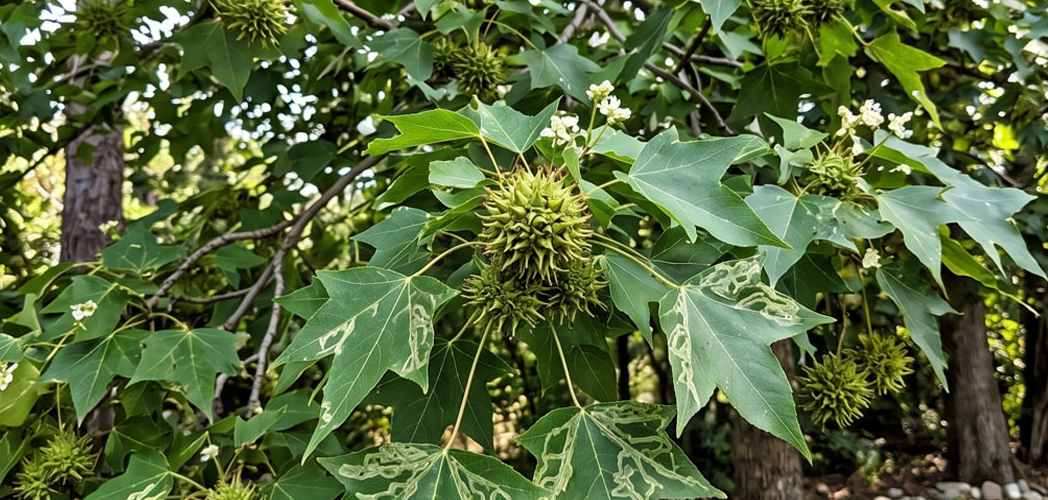
You may recognize American sweetgum (Liquidambar styraciflua) by its beautiful star-shaped leaves and those hard, spiky seed balls scattered beneath the tree. But behind its familiar appearance lies a surprisingly interesting history.
Native to parts of North and Central America, sweetgum has been valued not only for its wood and ornamental beauty, but also for the aromatic resin produced by its bark.
1.The Famous Sweetgum Resin
When the bark is injured, sweetgum can produce a fragrant, sticky resin sometimes called storax or sweetgum balsam.
Historically, this aromatic material was collected and used in traditional preparations, perfumes, incense, and other fragrant products.
The resin contains numerous naturally occurring aromatic compounds, which have also made Liquidambar species interesting subjects for scientific research.
2.Traditional Herbal Uses
Different parts of sweetgum have a history of use in traditional practices.
The resin, bark, and other plant materials have historically been associated with preparations for:
Minor skin complaints
Traditional wound care
Coughs and respiratory discomfort
Digestive complaints
General aches and discomfort
Sweetgum resin was also sometimes chewed, which is one explanation for the tree’s memorable common name.
These historical uses are fascinating, but they should not be interpreted as evidence that sweetgum can treat or cure medical conditions.
3.Interesting Natural Compounds
Sweetgum contains a variety of plant compounds that researchers continue to investigate.
Laboratory research involving Liquidambar styraciflua and related species has explored potential antioxidant and antimicrobial activity, among other biological properties.
The tree is also known as a natural source of shikimic acid, a compound important to the pharmaceutical industry because it can serve as a starting material in the manufacture of certain medicines.
That does not, however, mean that eating sweetgum parts provides the same effects as those medicines.
4.Sweetgum Wood Is Surprisingly Useful
The tree’s value goes far beyond traditional herbal practices.
Sweetgum produces hardwood that has been used for:
Furniture
Cabinets
Interior finishing
Veneer
Plywood
Boxes and crates
Pulp and paper
Its wood can be attractive when properly finished, making mature trees an important timber resource in some regions.
5.Valuable for Wildlife
Those annoying spiky balls scattered across lawns aren’t completely useless either.
They contain numerous seeds that can provide food for birds and small wildlife.
Large sweetgum trees can also provide shelter and habitat, while their spectacular foliage makes them valuable landscape trees.
6.Beautiful Autumn Color
One of sweetgum’s greatest ornamental qualities appears in fall.
Its star-shaped leaves can turn spectacular shades of yellow, orange, red, burgundy, and purple, sometimes with several colors appearing on the same tree.
This dramatic autumn display is one reason sweetgum remains popular in parks and large landscapes despite its messy seed balls.
Important Safety Note
Although sweetgum has a long history of traditional use, homemade medicinal preparations should be approached cautiously.
The concentration and safety of compounds can vary depending on the plant part and preparation method. Traditional use does not automatically establish safety or medical effectiveness.
Pregnant or breastfeeding people, children, and anyone taking medication should seek professional advice before experimenting with concentrated herbal preparations.
Its fragrant resin has a fascinating traditional history, its wood has numerous practical applications, its seeds support wildlife, and its spectacular autumn foliage makes it one of the most recognizable trees of the season.

Add comment