

 wawstock
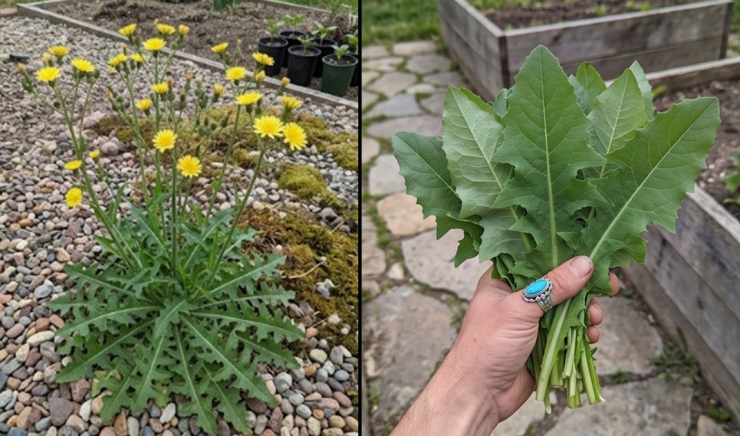
Sowthistle is one of those plants that often gets pulled from gardens without a second thought. Yet several Sonchus species have been eaten as wild greens for generations and contain an interesting range of nutrients and natural plant compounds.
Despite its name and somewhat prickly appearance, sowthistle is not a true thistle. Young plants can actually be surprisingly tender and useful in the kitchen.
1.A Nutritious Wild Green
Young sowthistle leaves provide nutrients including vitamin C, carotenoids, and minerals such as calcium, potassium, and magnesium, although amounts vary by species and growing conditions.
Like many leafy greens, they also provide fiber and naturally occurring phytochemicals.
2.Contains Natural Antioxidants
Researchers have identified phenolic compounds and flavonoids in Sonchus species.
These compounds can exhibit antioxidant activity, helping protect cells against oxidative stress. This is one reason sowthistle has attracted scientific interest beyond its traditional use as food.
However, laboratory antioxidant activity shouldn’t be interpreted as evidence that the plant can prevent or cure diseases.
3.Traditionally Used as a Herb
Different Sonchus species have a history of use in traditional herbal practices.
They have historically been prepared for complaints involving digestion, inflammation, minor wounds, and general discomfort.
Modern research is investigating some of these traditional uses, including potential anti-inflammatory and antimicrobial properties, but human evidence remains limited.
4.How Can You Eat Sowthistle?
The young leaves and tender shoots are generally the best parts to harvest because older leaves become tougher and more bitter.
Young leaves can be:
Added to salads
Lightly sautéed with garlic
Cooked like spinach
Added to soups and stews
Mixed with other edible greens
Cooking can help soften the leaves and reduce their bitterness.
5.What About the Milky Sap?
When you break a sowthistle stem or leaf, you’ll notice a white, milky latex.
This is a normal characteristic of the plant. The presence of white sap alone, however, should never be used to identify sowthistle because many unrelated plants also produce latex.
Correct identification is essential before eating any wild plant.
Harvest It Safely
Only collect sowthistle from areas you know are clean.
Avoid plants growing beside busy roads, on chemically treated lawns, near industrial areas, or anywhere herbicides and pesticides may have been applied.
Wash harvested leaves thoroughly before preparing them.
Most importantly, never eat a wild plant unless you can positively identify the species.
Sowthistle proves that the line between a “weed” and a useful plant can sometimes be surprisingly thin.
Its young leaves have traditionally been eaten as wild greens, it contains vitamins, minerals and antioxidant plant compounds, and Sonchus species have a fascinating history of traditional herbal use.
So before pulling every sowthistle from your garden, take a closer look.
That ordinary-looking weed might actually be an edible wild green hiding in plain sight.

Add comment