

 wawstock
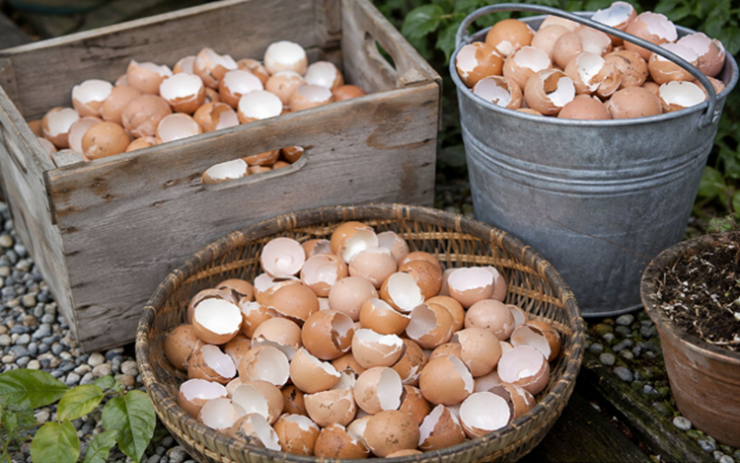
Most people crack their eggs and immediately throw the shells away. But gardeners have found a simple way to reuse this kitchen waste: eggshell water.
Eggshells are composed largely of calcium carbonate, along with small amounts of other minerals. While boiling doesn’t turn the water into a powerful complete fertilizer, it can be a practical way to reuse eggshells and return small amounts of minerals to your garden.
Calcium is an essential plant nutrient. It contributes to cell-wall development, healthy new growth, and normal plant structure.
Plants such as tomatoes and peppers are particularly well known for developing problems when calcium cannot reach developing fruit properly.
However, adding eggshells isn’t an instant cure for calcium-related problems. For example, blossom-end rot in tomatoes is often associated with inconsistent watering and problems with calcium uptake rather than simply a lack of calcium in the soil.
How to Make Boiled Eggshell Water
It’s incredibly simple.
Collect the shells from approximately 6–10 eggs and rinse them to remove remaining egg residue.
Crush them into smaller pieces and place them in a pot of water.
Bring the water to a boil and let the shells simmer for around 10–15 minutes.
Turn off the heat and allow the shells to sit in the water as it cools. You can leave the mixture for several hours or overnight.
Strain the liquid and make sure it has completely cooled before using it around plants.
How to Use It in the Garden
Pour the cooled eggshell water around the soil near your plants rather than directly over the foliage.
You can use it occasionally around:
Tomatoes
Peppers
Cucumbers
Eggplants
Flowering plants
Container plants
Don’t overuse it, and remember that eggshell water should supplement—not replace—a balanced fertilization program.
Don’t Throw Away the Boiled Shells!
The shells themselves can still be useful.
Allow them to dry and then crush or grind them as finely as possible. Smaller particles break down much faster than large pieces.
Mix the powdered shells into compost or incorporate modest amounts into garden soil.
Eggshell calcium becomes available relatively slowly, so think of crushed shells primarily as a long-term soil amendment rather than an instant fertilizer.
Can This Really Save You Money?
The biggest advantage is that you’re turning something normally considered waste into a useful garden resource.
Instead of buying a special product every time you want to add organic material or calcium-containing amendments to your garden, you can reuse something already sitting in your kitchen.
But eggshell water isn’t a complete fertilizer. Plants still require nitrogen, phosphorus, potassium, micronutrients, appropriate soil conditions, and consistent watering.
The next time you cook eggs, think twice before throwing the shells into the trash.
Boil them, reuse the cooled water, then crush the remaining shells for your compost or soil.
It’s inexpensive, reduces kitchen waste, and gives those ordinary eggshells one more useful purpose in your garden.

Add comment