

 wawstock
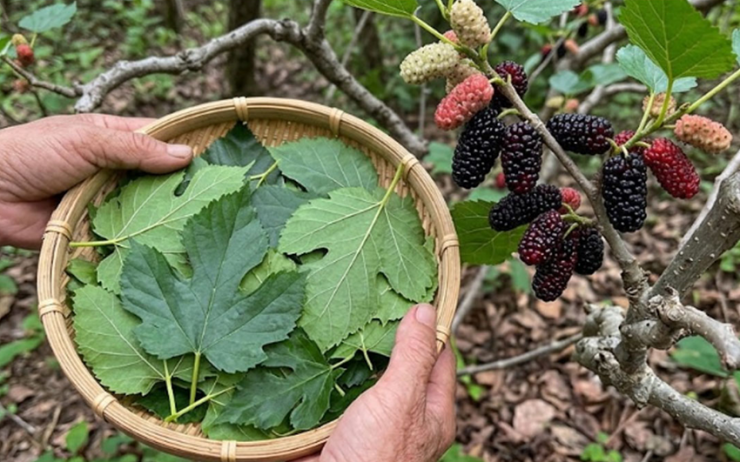
Most people recognize the mulberry tree for its delicious dark berries, but the leaves are just as fascinating. Mulberry leaves—especially those from white mulberry (Morus alba)—have been used for centuries in traditional Asian practices and are still consumed today as herbal tea and in certain foods.
They also contain an interesting collection of natural plant compounds that continue to attract scientific attention.
1.Rich in Natural Plant Compounds
Mulberry leaves contain flavonoids, polyphenols, chlorogenic acid, rutin, and other antioxidant compounds.
Antioxidants help protect cells against oxidative stress caused by free radicals. This doesn’t make mulberry leaves a cure for disease, but it helps explain why researchers continue to investigate them.
2.Interesting Effects on Blood Sugar
One of the best-known compounds in mulberry leaves is 1-deoxynojirimycin (DNJ).
DNJ can inhibit certain enzymes involved in breaking carbohydrates into sugars. Because of this, mulberry leaf preparations have been studied for their potential effect on the rise in blood glucose after meals.
This is an interesting area of research, but mulberry leaf products should not replace diabetes medication or medical treatment.
3.Traditionally Used as Mulberry Leaf Tea
One of the simplest traditional uses is mulberry leaf tea.
Dried leaves can be steeped in hot water to create a mild herbal infusion. Traditionally, mulberry leaf preparations have been consumed for purposes related to general wellness, digestion, and respiratory comfort.
To make a simple tea, place approximately 1–2 teaspoons of dried mulberry leaves in a cup, add hot water, and steep for around 5–10 minutes before straining.
4.The Young Leaves Can Be Eaten
In some cuisines, tender young mulberry leaves are eaten after cooking.
They can be boiled, steamed, or incorporated into certain dishes, although culinary traditions and preparation methods vary considerably between regions.
Correct identification is important, particularly when harvesting leaves yourself.
5.Mulberry Leaves Have Another Famous Use
Humans aren’t the only ones that value them.
Mulberry leaves—particularly those of Morus alba—are the primary food of silkworms. In fact, cultivation of white mulberry has been closely connected with silk production for centuries.
This humble leaf helped support an entire industry that shaped trade and culture across the world.
6.Other Traditional Uses
Mulberry leaves have a long history in traditional herbal practices. Preparations have historically been associated with:
Respiratory comfort
Digestive support
General wellness
Skin preparations
Metabolic health
Modern studies are investigating potential antioxidant, anti-inflammatory, lipid-related, and glucose-related effects, but evidence varies and many proposed benefits still require stronger human research.
How to Harvest Mulberry Leaves
Choose healthy, undamaged leaves from a correctly identified mulberry tree.
Avoid trees growing beside heavily trafficked roads or in areas treated with pesticides or herbicides.
Wash the leaves thoroughly. They can be used according to established culinary practices or dried in a well-ventilated area away from direct sunlight for later use.
Important Safety Note
Natural doesn’t automatically mean suitable for everyone.
Because mulberry leaf preparations may influence blood glucose, people taking diabetes medications should speak with a healthcare professional before regularly consuming concentrated mulberry leaf products.
Pregnant or breastfeeding people should also avoid medicinal amounts unless advised by a qualified professional.
The mulberry tree offers much more than its sweet berries.
Its leaves have been used for generations, contain fascinating natural compounds, can be prepared as herbal tea, and have played an extraordinary role in silk production.

Add comment