

 wawstock
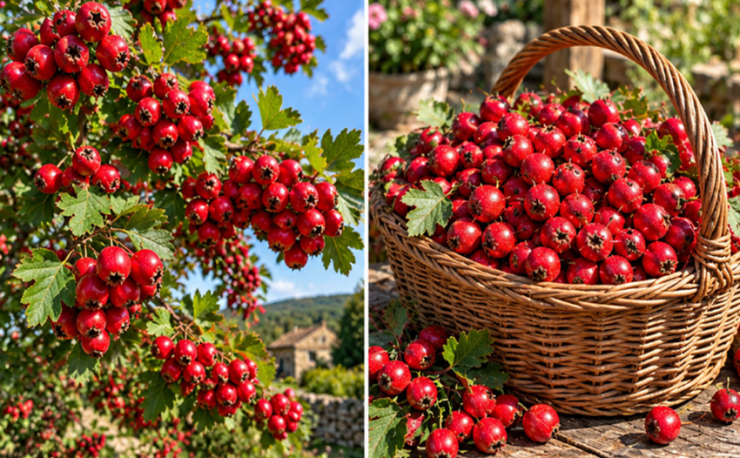
When hawthorn trees become covered with clusters of bright red berries, many people admire them without realizing they can also be used in traditional food and drink preparations.
Hawthorn berries—often called haws—have a long history of culinary use. One particularly interesting way to preserve the harvest is by turning the fruit into homemade hawthorn wine.
The result is a distinctive fermented drink with a fruity, slightly tart character that can become smoother and more complex as it ages.
What You’ll Need
For a basic batch, you’ll need:
- 1.5–2 kg ripe hawthorn berries
- 1–1.2 kg sugar
- About 4 liters of water
- Wine yeast
- Yeast nutrient, preferably
- A fermentation vessel with an airlock
Exact proportions can be adjusted depending on the desired sweetness and alcohol level.
Preparing the Hawthorn Berries
Harvest fully ripe, healthy berries from a correctly identified hawthorn (Crataegus) growing away from polluted roads or chemically treated areas.
Remove leaves, stems, damaged fruit, and debris, then wash the berries.
Gently crush the fruit rather than grinding or blending it. Avoid crushing the seeds, as hawthorn seeds contain cyanogenic compounds and shouldn’t be deliberately broken up and consumed.
Starting the Wine
Place the prepared berries in a sanitized fermentation container.
Dissolve the sugar in part of the water, allow it to cool, then combine it with the berries and remaining water. Add wine yeast according to its instructions.
Cover or fit the appropriate fermentation equipment and allow the mixture to begin fermenting.
Fermentation Takes Patience
After the initial fermentation, strain the fruit and transfer the liquid into a sanitized vessel fitted with an airlock.
Secondary fermentation may continue for several weeks. Once fermentation has completely finished and the wine begins to clear, it can be carefully transferred away from the sediment.
For safer and more predictable winemaking, use a hydrometer to confirm fermentation has finished rather than relying only on bubbles stopping.
Bottling and Aging
Once fermentation is confirmed complete and the wine has cleared, transfer it into clean, sanitized bottles.
Hawthorn wine can benefit considerably from aging. Allowing it to rest for several months can soften harsher flavors and produce a more rounded drink.
More Than Just an Autumn Berry
Hawthorn has a fascinating history in traditional herbal practices, particularly in connection with cardiovascular health. Its berries contain polyphenols and other plant compounds that continue to be studied.
However, hawthorn wine should be enjoyed as an alcoholic beverage, not used as a medical treatment. Alcohol also changes the health considerations entirely.
Those clusters of red hawthorn berries don’t have to remain forgotten on the tree.
With berries, water, sugar, wine yeast, and plenty of patience, they can be transformed into a beautiful homemade wine that captures the character of the autumn harvest.
Sometimes the most interesting homemade drinks begin with fruits that everyone else walks straight past.

Add comment