

 wawstock
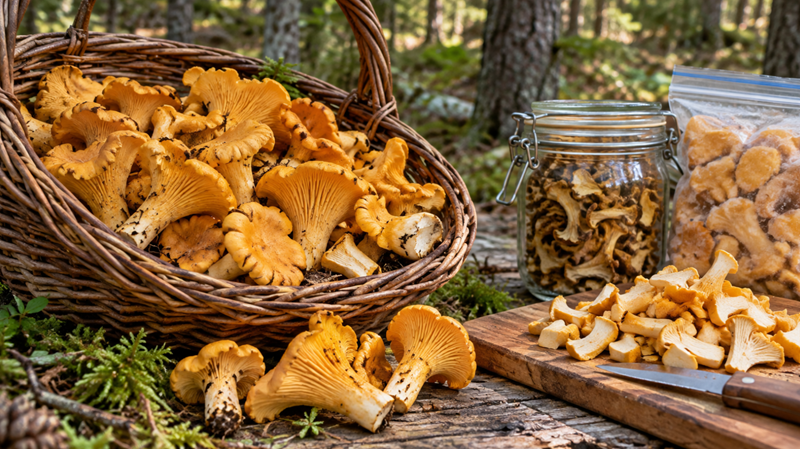
Hidden among moss, fallen leaves, and damp woodland soil, chanterelle mushrooms are among the most prized wild mushrooms in the world.
Known for their beautiful golden-yellow color, delicate fruity aroma, and delicious flavor, chanterelles are a favorite among mushroom enthusiasts and professional chefs.
But where can you find them, how can you recognize them, and what’s the best way to preserve their wonderful taste for winter?
1.What Are Chanterelle Mushrooms?
Chanterelles belong to the genus Cantharellus, which includes several edible species.
They are famous for their golden-yellow or orange color and distinctive funnel-shaped caps.
Common characteristics include:
Color: Golden yellow to orange.
Cap: Wavy, irregular edges that often become funnel-shaped.
Underside: Blunt, forked ridges that run down the stem rather than thin, detachable true gills.
Aroma: Often pleasantly fruity, sometimes resembling apricots.
Texture: Firm, with pale flesh inside.
Important: Some poisonous mushrooms, including certain lookalikes, can be confused with chanterelles. Never eat wild mushrooms based only on photographs or written descriptions. Have every collection verified by a qualified local mushroom expert.
2.Where and When Can You Find Chanterelles?
Chanterelles typically grow in forests where they form beneficial relationships with living tree roots.
Look for them near:
Oak and beech trees
Birch trees
Pine and spruce trees
Mossy woodland areas
Damp forest floors covered with fallen leaves
They often appear after periods of rainfall, especially when temperatures are mild.
Chanterelle season generally extends from summer into autumn, although the exact timing depends on the region, climate, and species.
Unlike many mushrooms that grow directly on rotting wood, true chanterelles usually emerge from the ground.
3.How to Harvest Chanterelles Responsibly
When collecting chanterelles, follow these simple tips:
Choose healthy, mature mushrooms that have been positively identified.
Carefully cut the stem near the ground or gently twist the mushroom free.
Avoid disturbing the surrounding soil and moss.
Place your mushrooms in a breathable basket.
Leave very small or old mushrooms behind.
Always respect local foraging regulations and avoid collecting mushrooms from polluted areas.
4.How to Clean Chanterelle Mushrooms
Chanterelles often hide small amounts of soil, pine needles, and forest debris in their folds.
To clean them:
Gently brush away dirt with a soft mushroom brush.
Trim damaged or dirty stem ends.
Wipe with a damp cloth.
Rinse briefly if necessary, then dry thoroughly.
Avoid soaking them for long periods because excess water can affect their texture.
5.How to Freeze Chanterelles for Winter
Freezing is one of the best ways to preserve chanterelles, especially when they are cooked first.
Step-by-Step Freezing Method
Clean the mushrooms thoroughly.
Cut larger chanterelles into smaller pieces.
Place them in a hot pan and cook until much of their moisture evaporates.
Add a little butter or oil if desired and sauté briefly.
Allow them to cool promptly.
Divide into freezer-safe containers or bags.
Label and freeze at −18°C (0°F).
For the best flavor and texture, use them within approximately 6–12 months.
Frozen chanterelles are wonderful in soups, creamy sauces, pasta, and risotto.
6.Can You Dry Chanterelle Mushrooms?
Yes! Chanterelles can also be dried, although their texture may become tougher than that of some other mushrooms.
Easy Drying Method
Clean the mushrooms and slice larger specimens.
Arrange them in a single layer on dehydrator trays.
Dry at approximately 50–55°C (122–131°F).
Continue until completely dry and brittle.
Allow them to cool before storing in airtight jars.
Keep dried mushrooms in a cool, dark, dry location.
Before cooking, rehydrate them in warm water until softened.
Tip: Dried chanterelles can also be ground into mushroom powder and added to soups or sauces for extra flavor.
7.Delicious Ways to Enjoy Chanterelles
These golden mushrooms are incredibly versatile in the kitchen.
Try them in:
Creamy chanterelle sauce: Delicious with pasta or potatoes.
Mushroom risotto: A rich and comforting autumn dish.
Chanterelle soup: Perfect for cold winter evenings.
Sautéed mushrooms: Cook with butter, garlic, and fresh herbs.
Omelets: A wonderful combination with eggs.
Always cook chanterelles thoroughly before eating.
8.Important Preservation Tips
Never store homemade mushrooms in oil at room temperature without a scientifically tested preservation process.
Mushrooms are low-acid foods, and improper storage can create a risk of botulism.
For home preservation, freezing and thorough dehydration are practical choices.
Discard mushrooms that develop mold, unusual odors, or signs of spoilage.
Chanterelles are among nature’s most beautiful and flavorful woodland treasures.
Their golden color, delicate aroma, and rich taste make them a wonderful ingredient for autumn cooking.
By learning where they grow, collecting them responsibly, and preserving them correctly, you can enjoy their delicious flavor long after the mushroom season ends.
So if you’re lucky enough to find chanterelles in the forest this autumn, don’t let your harvest go to waste. Freeze or dry them properly, and bring a little taste of the golden autumn woods into your kitchen all winter long!

Add comment