

 wawstock
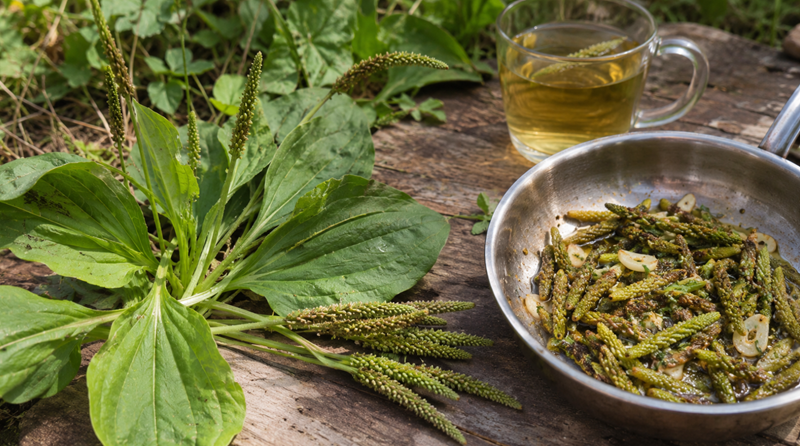
Most people walk past broadleaf plantain (Plantago major) without realizing that this common garden weed has edible leaves and seed spikes.
Recognizable by its broad, ribbed leaves and slender green flower stalks, plantain has been used for generations as both a wild food and a traditional herb.
One of its lesser-known uses is harvesting the young seed spikes and preparing them as a simple seasonal vegetable.
What Makes Plantain Interesting?
1.Edible young seed spikes
When still green and tender, plantain seed spikes can be cooked and eaten. They have a mild, earthy flavor, although older spikes become tough and fibrous.
2.Naturally occurring plant compounds
Plantain contains compounds such as flavonoids, phenolic acids, and mucilage, which have attracted scientific interest for their potential antioxidant and soothing properties.
3.A source of edible seeds
Mature plantain seeds can be collected and used in small quantities in foods. They contain fiber, although the amount varies by species and preparation.
4.A traditional herbal plant
Plantain leaves have a long history of traditional use in herbal preparations. However, these uses should not be confused with proven medical treatments.
How to Harvest Plantain Seed Spikes
Look for healthy plantain growing in clean gardens or meadows, away from pesticides, busy roads, and animal waste.
Choose young, green spikes before the seeds become fully mature.
Cut the stalks with clean scissors and rinse thoroughly under running water.
Important: Correctly identify the plant before harvesting. Broadleaf plantain is not the same as the banana-like fruit also called plantain.
How to Cook Plantain Seed Spikes
Here’s a simple way to prepare them.
Ingredients:
- 1 handful of young plantain seed spikes
- 1 tablespoon olive oil
- 1 garlic clove, finely chopped
- Salt and pepper
- A little lemon juice
Instructions:
- Wash the seed spikes thoroughly and remove any tough stalks.
- Blanch them in boiling water for 2–3 minutes, then drain.
- Heat olive oil in a frying pan and add the garlic.
- Add the blanched spikes and sauté for another 3–5 minutes, until tender.
- Season with salt, pepper, and a little lemon juice.
Serve as a small side dish or add to savory toast with soft cheese.
Other Ways to Use Plantain
- Young leaves: Cook like other leafy greens.
- Tender seed spikes: Add to stir-fries or vegetable dishes.
- Mature seeds: Dry and sprinkle small amounts over suitable dishes.
- Herbal preparations: Plantain leaves are traditionally used in infusions, although medicinal benefits remain insufficiently established.
Important Precautions
Harvest only plants you can identify confidently, and avoid contaminated locations.
Plantain pollen may trigger allergies in sensitive individuals. Introduce unfamiliar wild foods in small quantities and avoid medicinal use without professional advice, particularly during pregnancy or when taking medication.
Broadleaf plantain is much more than an unwanted lawn weed. Its tender seed spikes offer an unusual way to explore wild edible plants, while its leaves and seeds have their own traditional uses.

Add comment