

 wawstock
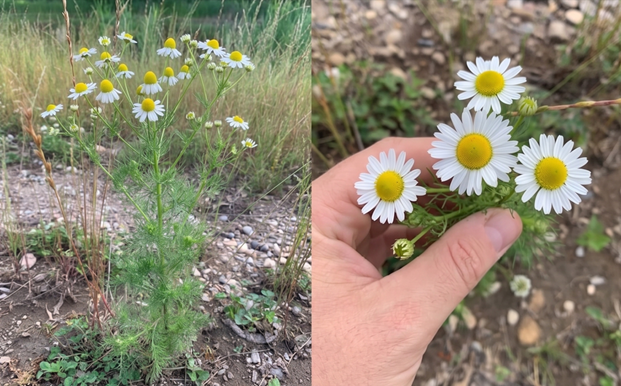
Mayweed is one of those small wild plants that many people ignore, pull out of the garden or step on without a second thought. Yet, in traditional herbal practices, some mayweed-type plants have been used for teas, homemade infusions, skin washes and simple natural remedies.
However, the name “mayweed” can refer to several different plants from the daisy family, so correct identification is extremely important. Some types are edible and pleasant, while others may irritate the skin or cause allergic reactions.
The most popular and safest mayweed-type plant used by foragers is often pineapple weed, also called wild chamomile or rayless mayweed. It has a sweet pineapple-like smell when crushed and is commonly used for tea. Other plants called mayweed, such as stinking mayweed or mayweed chamomile, should be used with much more caution.
Traditional Benefits of Mayweed
1.Traditionally used for digestion
Pineapple weed has been traditionally used as a gentle herbal tea after meals. Like chamomile, it has been associated with stomach comfort, gas relief and relaxation.
A simple infusion made from the flower heads may be enjoyed as a mild, aromatic tea. Its flavor is often described as a mix between chamomile and pineapple.
2.Naturally caffeine-free
Mayweed tea, especially pineapple weed tea, is naturally caffeine-free. This makes it a good choice for people who want a warm herbal drink in the evening without the stimulating effect of black tea or coffee.
It can be served plain or with honey, lemon, mint or a little ginger.
3.Used for relaxation in folk traditions
In traditional herbal use, pineapple weed has been valued as a calming plant. It has often been compared to chamomile because of its mild aroma and soothing character.
Although it should not be treated as a medical sedative, a warm cup of mayweed tea may be a pleasant part of a relaxing evening routine.
4.Used in homemade skin washes
Some traditional practices use mild mayweed infusions externally as a skin wash or compress. This was usually done for minor skin discomfort, tired skin or general cleansing.
However, this use requires caution. Plants from the daisy family can cause allergic reactions in some people, especially those sensitive to chamomile, ragweed, chrysanthemum or other Asteraceae plants.
5.A useful wild edible in small amounts
Pineapple weed flowers and leaves can be used in small culinary preparations. The flower heads are the most commonly used part because they have the strongest aroma.
They can be added to herbal teas, syrups, desserts, infused honey, homemade lemonade or even small amounts in salads. The leaves are edible but may become bitter, especially when the plant is older.
Homemade Uses of Mayweed
Mayweed tea
Use a small handful of fresh pineapple weed flower heads or 1–2 teaspoons of dried flowers. Pour hot water over them and let them steep for 5–10 minutes. Strain and drink warm.
For extra flavor, add honey, lemon or mint.
Iced mayweed drink
Prepare a strong pineapple weed tea, let it cool, then serve it with ice, lemon slices and a little honey. It makes a refreshing summer herbal drink.
Mayweed syrup
Simmer pineapple weed flower heads in water, strain the liquid, then combine with sugar or honey to make a fragrant syrup. It can be added to lemonade, sparkling water, desserts or pancakes.
Infused honey
Add clean, dry pineapple weed flowers to a jar of honey and let them infuse for several days. Strain if desired. This creates a floral, fruity honey that can be used in tea or on toast.
Skin rinse
A cooled mayweed infusion may be used as a gentle external rinse, but only after testing on a small area of skin. Do not use it on open wounds, infected skin, severe irritation or near the eyes.
People with plant allergies, asthma, sensitive skin, chronic illness or those taking regular medication should ask a healthcare professional before using mayweed regularly.
Children, pregnant women and breastfeeding women should avoid medicinal use unless advised by a qualified professional.
Mayweed is a fascinating wild plant with a long history of traditional use, especially when referring to pineapple weed or wild chamomile. Its small flower heads can make a pleasant caffeine-free tea, a fragrant syrup or a simple homemade infusion.
But mayweed is also a name shared by several similar plants, and not all of them are equally safe. Some may cause skin irritation or allergic reactions, so careful identification and responsible use are essential.
Used wisely, pineapple weed may be a charming wild herb for tea and homemade recipes. Used carelessly, the wrong mayweed can do more harm than good.
This article is for educational purposes only and does not replace medical advice, diagnosis or treatment.

Add comment