

 wawstock
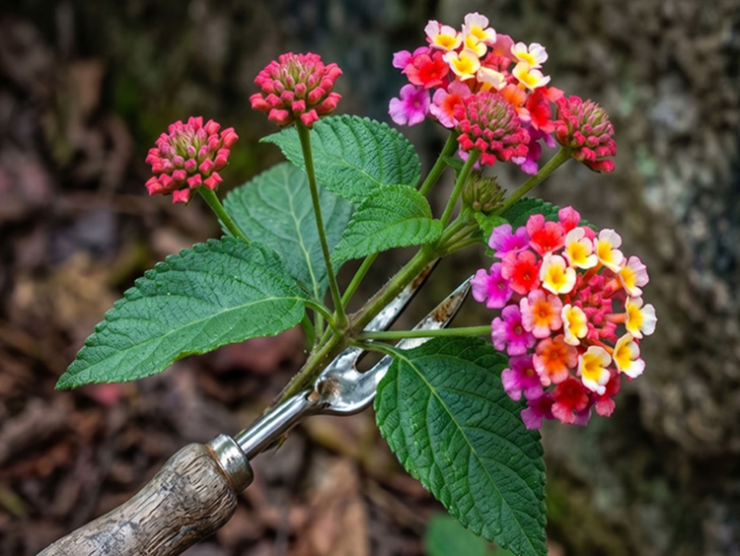
Walk past a patch of Common Lantana (Lantana camara), and you’ll probably notice its clusters of vibrant flowers buzzing with butterflies and bees. While many people admire it as an ornamental plant, few realize that it has been used in traditional medicine for generations and has attracted the attention of scientists for its remarkable natural compounds.
However, like many powerful medicinal plants, lantana should be approached with caution. It offers fascinating possibilities, but it also contains toxic substances that make proper knowledge essential.
Common Lantana is a flowering shrub native to Central and South America but now found throughout tropical and subtropical regions around the world. It thrives in poor soils, tolerates drought exceptionally well, and produces colorful flower clusters that can change color as they mature.
Besides its beauty, lantana has long been valued in traditional herbal practices.
Researchers have identified numerous bioactive compounds within the plant, including:
Triterpenoids
Flavonoids
Essential oils
Phenolic compounds
Alkaloids
Tannins
These compounds are responsible for many of the biological activities that scientists continue to investigate.
For centuries, different cultures have used parts of the plant externally and internally in carefully prepared traditional remedies.
Historically, Common Lantana has been used to support:
Minor cuts and scrapes
Insect bites
Skin irritation
Traditional wound cleansing
General skin care
Occasional digestive discomfort in certain herbal traditions
Many communities have also prepared leaf poultices for external use on bruises and minor skin problems.
Scientific studies have found that extracts from Lantana camara may exhibit:
Antioxidant Activity
Its natural antioxidants help neutralize free radicals that contribute to cellular damage.
Antimicrobial Properties
Laboratory research has shown activity against several bacteria and fungi, although this does not mean it should replace conventional medical treatments.
Anti-inflammatory Potential
Some plant compounds appear to influence inflammatory pathways in laboratory studies, which helps explain its historical use in folk medicine.
Insect-Repelling Properties
The plant’s aromatic leaves have been traditionally used to help deter mosquitoes and certain agricultural pests.
A Favorite Plant for Pollinators
One of lantana’s greatest ecological benefits is its ability to attract:
Butterflies
Honeybees
Native bees
Hummingbirds (where native)
Its flowers produce nectar over a long blooming season, making it an excellent pollinator plant.
Although Common Lantana has an impressive history of traditional use, it is not a plant to experiment with casually.
Several parts of the plant—especially the unripe green berries—contain compounds known as lantadenes, which are toxic to humans, pets, and livestock if ingested. Poisoning can affect the liver and digestive system and may be serious.
For this reason:
Never consume lantana without guidance from a qualified healthcare professional.
Keep the plant away from children and pets.
Wear gloves if you have sensitive skin when handling large amounts of foliage.
Traditional herbal use does not automatically guarantee safety.
Common Lantana is far more than a colorful ornamental shrub. It is a fascinating plant with a rich history in traditional herbal medicine, impressive ecological value, and a growing body of scientific interest surrounding its natural compounds.

Add comment