

 wawstock
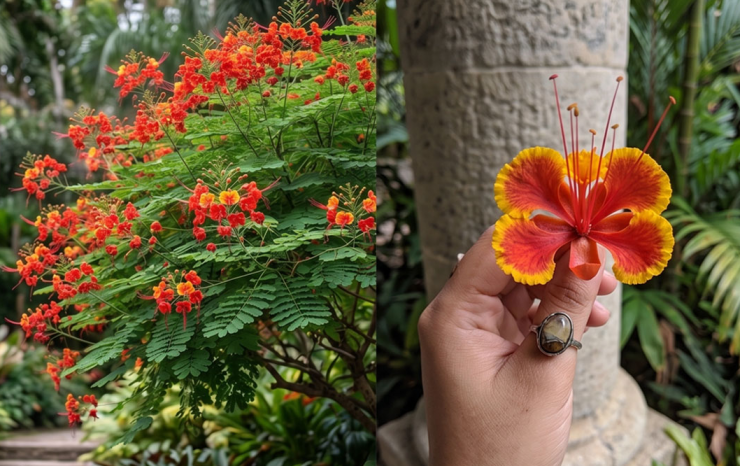
With its spectacular red, orange, and yellow flowers, Caesalpinia pulcherrima, commonly known as Peacock Flower, Pride of Barbados, or Dwarf Poinciana, is difficult to ignore.
Most people grow it simply because it looks beautiful. However, this tropical shrub also has a long history of traditional use, while its flowers provide an important food source for pollinators.
More Than Just a Beautiful Flower
Peacock Flower is native to tropical regions and is now cultivated in warm climates around the world. Its long flowering season and ability to tolerate heat make it a popular ornamental plant.
The colorful flowers are especially attractive to butterflies, bees, and other pollinating insects, making the plant a useful addition to pollinator-friendly gardens.
Traditional Uses of Peacock Flower
Different parts of Caesalpinia pulcherrima, including the flowers, leaves, bark, and roots, have been used in various traditional herbal practices.
Historically, preparations made from the plant have been associated with:
Digestive complaints
Fever and general discomfort
Minor skin problems
Traditional wound care
Inflammation-related complaints
Researchers have also investigated extracts from the plant for potential antioxidant, antimicrobial, and anti-inflammatory activity.
However, most of these findings come from laboratory, animal, or traditional-use evidence. They do not establish Peacock Flower as a proven treatment for disease.
Interesting Natural Compounds
The plant contains a variety of phytochemicals, including flavonoids, phenolic compounds, tannins, and other biologically active substances.
These compounds are one reason scientists continue to investigate the species and its traditional applications.
Its brightly colored flowers also contain natural pigments and antioxidant compounds.
Easy to Grow in Warm Conditions
Peacock Flower loves sunshine and warmth.
For abundant flowering, plant it in a sunny position with well-draining soil. Once established, it can tolerate relatively dry conditions, although regular watering during prolonged drought can encourage healthier growth and flowering.
It can also be grown in a large container, particularly in regions where it needs to be protected from cold winter temperatures.
Regular pruning helps maintain a compact, attractive shape.
Traditional use does not mean that every part of this plant is safe to consume.
Caesalpinia pulcherrima contains potent biologically active compounds, and some parts—particularly the seeds—may be toxic if ingested. The plant also has a history of traditional use related to stimulating menstruation and pregnancy, making unsupervised internal use especially inappropriate during pregnancy.
For these reasons, homemade teas, extracts, or other internal remedies should not be used without appropriate professional guidance.
Caesalpinia pulcherrima is much more than an eye-catching ornamental plant.
It attracts pollinators, thrives in hot climates, has a fascinating history in traditional herbal practices, and contains natural compounds that continue to interest researchers.
Its medicinal reputation should be approached carefully, but its beauty and ecological value are undeniable.
Sometimes the most spectacular plants in our gardens have stories that go far beyond their flowers.

Add comment