


 wawstock
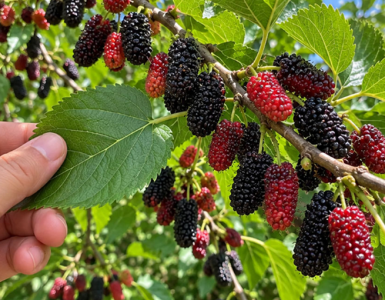
Blueberries may be tiny, but they are among the most nutrient-dense fruits you can easily add to your everyday diet. Their deep blue-purple color comes partly from anthocyanins, plant pigments with antioxidant properties.
Whether you eat them fresh, frozen, or mixed into breakfast, blueberries are an easy and delicious way to add more fruit to your diet.
Why Are Blueberries So Good for You?
Blueberries provide vitamin C, vitamin K, manganese, fiber, and numerous polyphenols while being relatively low in calories.
Their anthocyanins and other polyphenols have attracted particular scientific interest. Research suggests that regularly consuming berries as part of a balanced diet may support cardiovascular health and healthy blood-vessel function.
1.Rich in Antioxidants
Blueberries contain anthocyanins and other antioxidant compounds that help protect cells against oxidative stress.
Their characteristic dark color is actually one clue to the abundance of these natural plant pigments.
2.Good for Your Heart
Regular berry consumption has been associated with markers of cardiovascular health.
Blueberries also provide potassium and fiber, nutrients that form part of a heart-healthy diet.
3.Support Brain Health
Blueberry polyphenols are also being studied for their potential relationship with memory, cognition, and healthy brain aging.
They aren’t a miracle food, but including berries alongside vegetables, whole grains, healthy fats, and other nutrient-rich foods is a sensible long-term dietary habit.
4.Help Support Digestion
Blueberries provide dietary fiber, which supports normal digestion and helps maintain healthy bowel function.
Eating the whole berry rather than drinking only blueberry juice allows you to retain much more of this fiber.
What’s the Best Way to Eat Blueberries?
One of their greatest advantages is how versatile they are.
Try them:
- Fresh as a snack
- Mixed into oatmeal
- With natural yogurt
- Added to smoothies
- Frozen for a refreshing snack
- In fruit salads
- Added to pancakes or healthy baked recipes
Frozen blueberries are also an excellent option. Freezing allows berries to be stored for months while retaining much of their nutritional value.
How Much Should You Eat?
You don’t need enormous quantities to enjoy them. A serving of roughly one cup (about 150 g) is an easy amount to incorporate into a meal or snack.
Rather than treating blueberries as a supplement or medicine, include them regularly as part of a varied diet rich in different fruits and vegetables.
Blueberries don’t need exaggerated health claims to be impressive.
They’re naturally rich in anthocyanins, fiber, vitamin C and other valuable nutrients, they’re easy to store, and they can be eaten in dozens of different ways.
Fresh or frozen, a handful of blueberries is one of the simplest ways to add more color, flavor, and beneficial plant compounds to your everyday diet.


Add comment