

 wawstock
Porcini mushrooms are among the most prized wild mushrooms in the world. Known for their rich, nutty flavor and meaty texture, these woodland treasures are perfect for soups, sauces, risottos, and many traditional recipes.
Also known as penny buns or ceps, porcini mushrooms (Boletus edulis and closely related species) typically grow in forests during summer and autumn.
But how can you recognize them, harvest them responsibly, and preserve their wonderful flavor for winter?
Here’s a practical guide every mushroom enthusiast should know.
1.How to Identify Porcini Mushrooms
Porcini mushrooms have several distinctive characteristics:
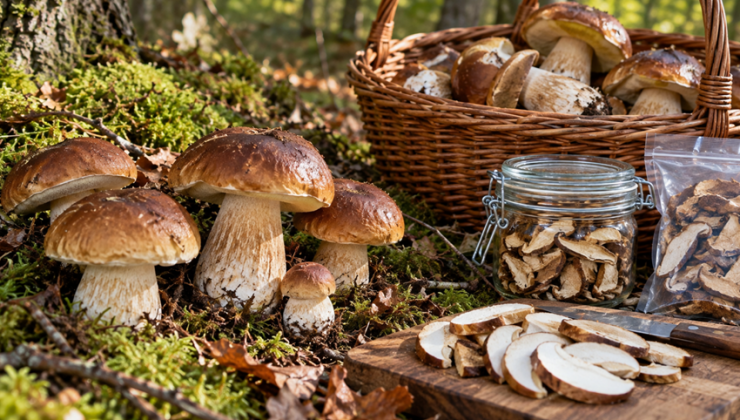
Cap: Usually brown, ranging from light chestnut to dark brown, with a smooth or slightly sticky surface.
Stem: Thick, firm, and often bulbous, with a pale net-like pattern near the top.
Underside: Instead of gills, porcini have tiny pores that are white when young and become yellowish or olive-green with age.
Flesh: White and firm, generally remaining white when cut.
Smell: Pleasant, mild, and mushroom-like.
Important: Some wild boletes resemble porcini, including inedible and potentially poisonous species. These characteristics are not sufficient for safe identification. Never eat a wild mushroom unless its identity has been confirmed by a qualified local expert.
2.Where and When to Find Porcini
Porcini mushrooms commonly grow in association with trees such as:
Oak
Beech
Spruce
Pine
Birch
They often appear after periods of rainfall when the soil remains moist and temperatures are moderate.
In many European regions, late summer through autumn is an excellent time to look for them, although the season varies depending on local conditions.
Look carefully around mossy areas, woodland paths, and beneath mature trees.
3.How to Harvest Porcini Responsibly
When collecting wild mushrooms, protecting the forest ecosystem is essential.
Step 1: Choose mature, healthy mushrooms that have been positively identified.
Step 2: Carefully cut the stem near the ground or gently twist the mushroom free, following local foraging guidance.
Step 3: Avoid unnecessarily disturbing the surrounding soil and mycelium.
Step 4: Place mushrooms in a breathable basket rather than a sealed plastic bag.
Step 5: Leave very old, decaying mushrooms and some healthy specimens behind to support natural reproduction.
Always follow local foraging regulations and avoid collecting mushrooms from polluted areas.
4.How to Clean Porcini Mushrooms
Fresh porcini should be cleaned as soon as possible after harvesting.
Remove soil and forest debris with a soft brush.
Trim away damaged or dirty sections.
Check carefully for insect tunnels or signs of deterioration.
If necessary, wipe with a slightly damp cloth.
Slice larger mushrooms to inspect their interior.
Avoid prolonged soaking because mushrooms absorb water and may lose some of their desirable texture.
5.How to Dry Porcini Mushrooms for Winter
Drying is one of the best ways to preserve porcini mushrooms, as it concentrates their wonderful aroma and flavor.
Step-by-Step Drying Method
Clean the mushrooms thoroughly.
Slice them evenly, approximately 3–5 mm thick.
Arrange the slices in a single layer on dehydrator trays.
Dry at approximately 50–55°C (122–131°F), following your dehydrator’s instructions.
Continue until the slices are completely dry and brittle, with no moisture remaining inside.
Allow them to cool before transferring them to airtight containers.
Store dried porcini in a cool, dark, dry place.
How to use them: Soak dried mushrooms in warm water until softened, then add them to soups, sauces, pasta dishes, or risotto. Cook thoroughly before serving.
6.How to Freeze Porcini Mushrooms
Freezing is another excellent way to preserve porcini for future meals.
For better flavor and texture, it’s generally preferable to cook them before freezing.
Easy Freezing Method
Clean and slice the mushrooms.
Sauté them in a pan with a small amount of oil until much of their moisture evaporates.
Allow them to cool promptly.
Divide into meal-sized portions.
Pack in freezer-safe containers or bags.
Label and freeze at −18°C (0°F).
For best quality, use frozen porcini within approximately 6–12 months.
Frozen porcini are especially useful for soups, stews, and creamy mushroom sauces.
- Can You Preserve Porcini in Oil?
Mushrooms preserved in oil are popular in traditional cooking, but homemade versions require special care.
Mushrooms are low-acid foods, and storing them in oil can create conditions that allow dangerous bacteria, including those responsible for botulism, to grow.
Do not store homemade porcini in oil at room temperature unless using a scientifically tested preservation method specifically designed for that product.
For home preservation, drying or freezing are safer and more practical options.
8.Delicious Ways to Use Preserved Porcini
Once you’ve preserved your mushrooms, you can enjoy their rich flavor throughout winter.
Try adding them to:
Creamy porcini risotto: A classic Italian dish with deep woodland flavors.
Mushroom soup: Perfect for cold winter evenings.
Homemade pasta sauces: Delicious with garlic, herbs, and cream.
Stews: Add dried porcini for extra richness.
Roasted vegetables: Combine rehydrated porcini with potatoes or other seasonal vegetables.
Even a small amount of dried porcini can bring wonderful flavor to a dish.
Porcini mushrooms are among autumn’s most delicious woodland treasures, and preserving them allows you to enjoy their wonderful taste long after mushroom season ends.
By learning about their characteristics, harvesting responsibly, and using proper drying or freezing methods, you can make the most of a successful autumn harvest.
So if you’re lucky enough to find genuine porcini mushrooms this season, don’t let them go to waste. Preserve them properly, and bring a little taste of the autumn forest into your kitchen all winter long!


Add comment