

 wawstock
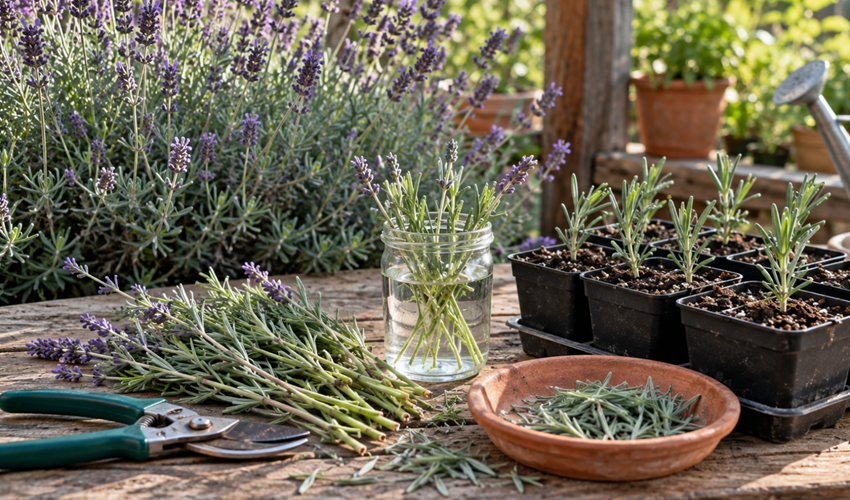
Imagine turning one beautiful lavender plant into an entire row of fragrant, purple-flowering bushes without spending a penny!
Lavender is one of the most beloved garden plants, famous for its relaxing fragrance, beautiful flowers, and ability to attract bees and butterflies.
But here’s something many gardeners don’t realize: you can grow new lavender plants from simple stem cuttings taken from an existing plant!
With a few easy steps and a little patience, you can multiply your lavender and fill your garden with these wonderful aromatic plants.
1.When Is the Best Time to Take Lavender Cuttings?
The ideal time to propagate lavender is during late spring or summer, when the plant produces healthy new growth.
Softwood cuttings root relatively quickly, while semi-hardwood cuttings taken in late summer or early autumn can also work well.
Choose a healthy, established lavender plant without signs of pests or disease.
2.How to Take Lavender Cuttings
You don’t need expensive equipment to propagate lavender.
What You’ll Need:
A healthy lavender plant
Clean, sharp pruning shears
Small pots with drainage holes
Well-draining potting mix
Rooting hormone (optional)
Step-by-Step Instructions
Step 1: Choose healthy stems
Select fresh, non-flowering shoots approximately 8–12 cm (3–5 inches) long.
Avoid very old, heavily woody stems, which can be more difficult to root.
Step 2: Cut below a leaf node
Using clean pruning shears, cut each stem just below a leaf node.
Step 3: Remove the lower leaves
Strip the leaves from the bottom 3–5 cm of each cutting, leaving healthy foliage at the top.
Step 4: Prepare the cuttings
If available, dip the cut ends into rooting hormone to encourage root development.
Step 5: Plant in soil
Insert each cutting into a pot filled with a moist, free-draining mixture of potting compost and perlite or coarse horticultural sand.
Firm the soil gently around the stems.
Step 6: Keep them warm and bright
Place the pots somewhere with bright, indirect light, protected from strong midday sunshine.
Keep the growing medium lightly moist, but never waterlogged.
3.How Long Does Lavender Take to Root?
Under favorable conditions, lavender cuttings may develop roots within 3–6 weeks, although some varieties take longer.
You can check for roots by looking for new growth or gently examining the root ball after several weeks.
Once the cuttings have developed healthy roots, transplant them into individual pots.
Allow them to grow stronger before planting them outdoors.
4.How to Grow a Beautiful Lavender Border
Once your new lavender plants are established, you can use them to create a fragrant garden border.
For the best results:
Sunlight: Choose a location with at least 6–8 hours of direct sunshine.
Soil: Lavender prefers well-draining soil and dislikes wet roots.
Spacing: Leave approximately 30–60 cm (12–24 inches) between plants, depending on the variety.
Watering: Water regularly while young plants establish, then reduce watering.
Pruning: Trim lightly after flowering to maintain a compact, bushy shape.
In colder climates, protect young plants from severe frost and excessive winter moisture.
With proper care, your small cuttings can eventually become a beautiful row of fragrant lavender bushes.
5.Why Propagating Lavender Is Worth It
Growing lavender from cuttings has several wonderful advantages:
Save money: Create new plants without buying them.
Preserve your favorite variety: Cuttings produce plants genetically identical to the parent.
Attract pollinators: Lavender flowers provide nectar for bees and butterflies.
Create beautiful borders: Perfect for garden paths, flower beds, and sunny corners.
Enjoy the fragrance: Lavender brings a wonderful scent to outdoor spaces.
You can even share your extra lavender plants with friends and family!
6.Common Mistakes to Avoid
Using flowering stems: Non-flowering shoots generally root more successfully.
Overwatering: Lavender cuttings can rot if the soil remains constantly soaked.
Too much direct sunlight: Strong sun can dry out cuttings before roots develop.
Planting outdoors too early: Wait until the young plants have developed strong root systems and suitable weather conditions arrive.
Poor drainage: Lavender needs airy soil to grow healthy roots.
You don’t need a big gardening budget to create a beautiful lavender garden.
With just one healthy plant, a pair of pruning shears, and a few small pots, you can grow multiple new lavender plants for free.
Over time, those little cuttings can become fragrant bushes that fill your garden with purple flowers and attract countless pollinators.

Add comment