

 wawstock
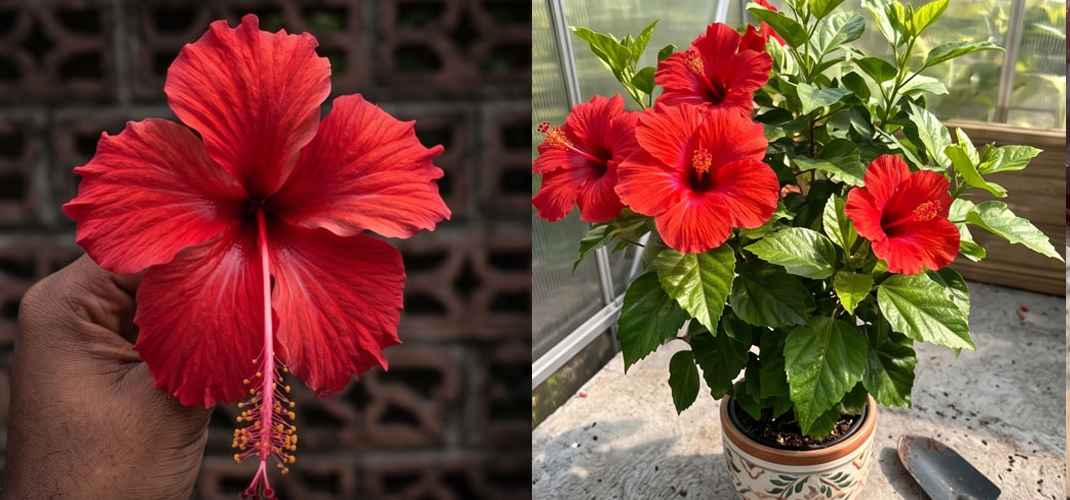
Hibiscus is one of the most beautiful and useful plants in nature. Known for its large, colorful flowers and refreshing tart flavor, hibiscus is more than just an ornamental plant. In many cultures, hibiscus flowers, calyces and leaves have been used for teas, cooling drinks, foods, syrups, jams and traditional remedies.
The most popular variety used for herbal preparations is Hibiscus sabdariffa, also called roselle, karkade, Jamaica sorrel, red sorrel or sour tea. Its deep red calyces are famous for making a ruby-colored tea with a pleasant sour taste, while the leaves are used in some cuisines as a tangy green vegetable.
Benefits of Hibiscus Flowers and Calyces
Hibiscus flowers and calyces are rich in natural plant compounds, especially anthocyanins, flavonoids and organic acids. These compounds give hibiscus its intense red color, refreshing sour taste and antioxidant properties.
One of the best-known traditional uses of hibiscus tea is for supporting heart health. Hibiscus tea is often associated with healthy blood pressure support, especially when included as part of a balanced lifestyle. Its refreshing, caffeine-free nature makes it a popular alternative to sugary drinks or commercial juices.
Hibiscus is also appreciated for its antioxidant content. Antioxidants help protect cells from oxidative stress, which is one reason brightly colored plants like hibiscus are often valued in natural wellness traditions.
Benefits of Hibiscus Leaves
Hibiscus leaves are less famous than the flowers, but they are also valuable. In some countries, young hibiscus leaves are cooked like spinach or added to soups, stews and sauces. They have a slightly sour taste and can bring freshness to traditional dishes.
The leaves are used as a leafy vegetable and are valued for their fiber, minerals and plant compounds. In traditional food culture, hibiscus leaves are often seen as a simple green ingredient that supports a varied and natural diet.
Hibiscus can be used in many ways:
Hibiscus tea is one of the most popular preparations. Dried hibiscus calyces are infused in hot water to make a tart, ruby-red drink that can be enjoyed warm or cold.
Iced hibiscus drink is perfect for summer. It can be mixed with lemon, mint, ginger or honey for a refreshing homemade beverage.
Hibiscus syrup can be added to lemonade, sparkling water, desserts or cocktails.
Hibiscus jam or jelly is made from the fleshy red calyces and has a unique floral-tart flavor.
Hibiscus powder can be used in smoothies, sauces, desserts or natural food coloring.
Hibiscus leaves can be cooked in soups, stews, vegetable dishes or sauces, especially when young and tender.
How to Make Simple Hibiscus Tea
Add 1–2 teaspoons of dried hibiscus calyces to a cup of hot water. Let it steep for 5–10 minutes, then strain. You can drink it plain or add lemon, honey, cinnamon, mint or ginger.
For a cold version, let the tea cool, add ice and serve it with fresh citrus slices. Its bright color and refreshing taste make it one of the most attractive herbal drinks.
Taste and Culinary Pairings
Hibiscus has a tart, cranberry-like flavor. It pairs beautifully with lemon, orange, mint, ginger, cinnamon, cloves, honey, berries and apples. In desserts, it can add both color and acidity, balancing sweet flavors very well.
The leaves have a fresh, slightly sour taste and can be used in savory dishes where you want a tangy green note.
Hibiscus is generally enjoyed as a food and herbal tea, but it should be used responsibly. People who take medication for high blood pressure, diabetes, cholesterol, blood thinning or other chronic conditions should ask a healthcare professional before consuming hibiscus regularly.
Pregnant or breastfeeding women should avoid medicinal amounts of hibiscus unless advised by a doctor. People with low blood pressure should also be cautious, as hibiscus may contribute to lowering blood pressure.
It is also important to use only food-grade hibiscus from a safe source. Do not consume ornamental hibiscus plants unless you are certain they are edible and free from pesticides or chemical treatments.
Hibiscus is a stunning plant with both beauty and practical value. Its flowers and calyces make colorful teas, syrups and jams, while its leaves can be used as a tangy green vegetable in traditional dishes.
From its ruby-red tea to its fresh green leaves, hibiscus is a wonderful example of how nature offers flavor, color and wellness in one plant. Used with care and moderation, it can be a delicious and refreshing addition to a balanced lifestyle.
This article is for educational purposes only and does not replace medical advice. For health conditions, pregnancy, medication use or persistent symptoms, always consult a qualified healthcare professional.

Add comment