

 wawstock
Mango is loved around the world for its sweet, juicy fruit, but the leaves of the mango tree are also valued in many traditional wellness practices. Mango leaves, especially young green leaves, have been used for generations in teas, infusions, powders and natural home remedies.
Rich in plant compounds such as mangiferin, flavonoids, phenolic acids and other antioxidants, mango leaves have attracted attention for their potential role in supporting overall health. While they should not be treated as a cure for any disease, they can be an interesting natural ingredient when used carefully and responsibly.
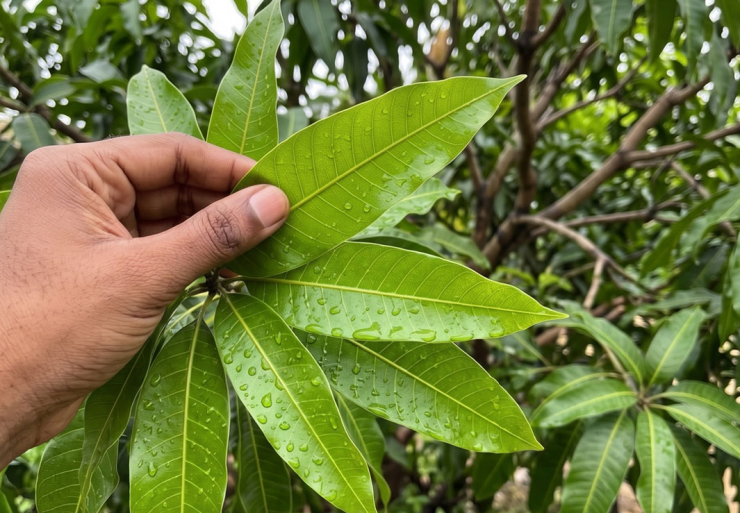
Mango leaves come from the mango tree, scientifically known as Mangifera indica. The young leaves are often reddish or purple when they first appear, then turn green as they mature. In traditional practices, both fresh and dried leaves may be used, most commonly for tea or herbal infusions.
The most studied compound in mango leaves is mangiferin, a natural polyphenol also found in other parts of the mango plant. This compound is often associated with antioxidant and anti-inflammatory potential.
Benefits of Mango Leaves
1.Rich in Antioxidants
Mango leaves contain natural antioxidants that help protect the body from oxidative stress. Antioxidants are important because they help neutralize free radicals, unstable molecules that can damage cells when present in excess.
This is one reason mango leaves are often included in traditional wellness routines. Their antioxidant compounds may support general health and cellular protection.
2.Traditionally Used for Blood Sugar Support
One of the most popular traditional uses of mango leaves is for supporting healthy blood sugar levels. Mango leaf tea has been used in some cultures as a natural drink for people who want to support metabolic balance.
Some laboratory and animal studies suggest that mango leaf extracts may influence glucose metabolism, but human evidence is still limited. For this reason, mango leaves should not replace diabetes medication or medical care.
Anyone with diabetes, prediabetes or blood sugar problems should speak with a healthcare professional before using mango leaf tea or supplements regularly.
3.May Support Heart and Metabolic Health
Because mango leaves contain polyphenols and antioxidants, they are often discussed in connection with heart and metabolic wellness. Some research has explored mango leaf extract and mangiferin for their potential effects on inflammation, lipids and oxidative stress.
However, these effects are still being studied. Mango leaves can be part of a healthy lifestyle, but they are not a substitute for a balanced diet, exercise, medical treatment or professional advice.
4.Traditionally Used for Digestion
In traditional medicine, mango leaves have been used to support digestion and general stomach comfort. Mango leaf tea is sometimes consumed as a gentle herbal drink after meals.
The bitter and astringent taste of the leaves may be one reason they have been used in folk remedies. Still, people with digestive disorders should use them cautiously and avoid strong preparations without medical advice.
5.Used for Skin and Hair Care
Mango leaves are also used in some traditional beauty practices. Infusions made from the leaves may be applied externally as a rinse for the scalp or skin. Their antioxidant properties make them interesting in natural cosmetic routines.
For external use, it is important to test a small area first. People with sensitive skin or allergies to mango should avoid direct use.
Common Uses of Mango Leaves
Mango Leaf Tea
The most common use is mango leaf tea. It can be made with fresh or dried leaves.
To prepare it, wash 5–7 young mango leaves well, boil them in 2 cups of water for 5–10 minutes, then let the infusion rest before straining. It can be consumed warm or cooled.
For dried leaves, use about 1 teaspoon of crushed dried leaf per cup of hot water. Let it steep for 5–10 minutes, then strain.
Mango Leaf Powder
Dried mango leaves can be ground into powder and used in small amounts in traditional preparations. Some people add the powder to warm water or herbal blends. Because concentrated powders may be stronger than tea, they should be used carefully.
External Rinse
A cooled mango leaf infusion can be used externally as a traditional hair or skin rinse. It should never be applied to open wounds, severe irritation or infected skin.
For general use, mango leaf tea should be consumed in moderation. One cup occasionally is very different from taking concentrated extracts or drinking strong tea every day.
If you are new to mango leaf tea, start with a small amount and observe how your body reacts. Avoid combining it with medication without medical advice.
Mango leaves are natural, but natural does not always mean safe for everyone. People who take medication for diabetes, high blood pressure, cholesterol, blood thinning or chronic health conditions should consult a doctor before using mango leaf tea or supplements.
Pregnant and breastfeeding women should avoid medicinal amounts of mango leaves unless advised by a healthcare professional.
People with mango allergy, sensitivity to plants in the Anacardiaceae family, or a history of skin reactions to mango peel or sap should be especially careful.
Always use clean, food-grade mango leaves from a safe source. Do not use leaves sprayed with pesticides, chemicals or roadside pollution.
Mango leaves are a fascinating natural resource with a long history of traditional use. They are most commonly prepared as tea, powder or external infusions and are valued for their antioxidant compounds, especially mangiferin.
Although mango leaves may support general wellness, digestion and metabolic balance, they should not be presented as a miracle cure. The best way to use them is with moderation, proper knowledge and respect for medical advice.
Mango leaves remind us that the mango tree offers more than delicious fruit. Its leaves, when used responsibly, can also be part of a natural and balanced lifestyle.
This article is for educational purposes only and does not replace medical advice, diagnosis or treatment.


Add comment