

 wawstock
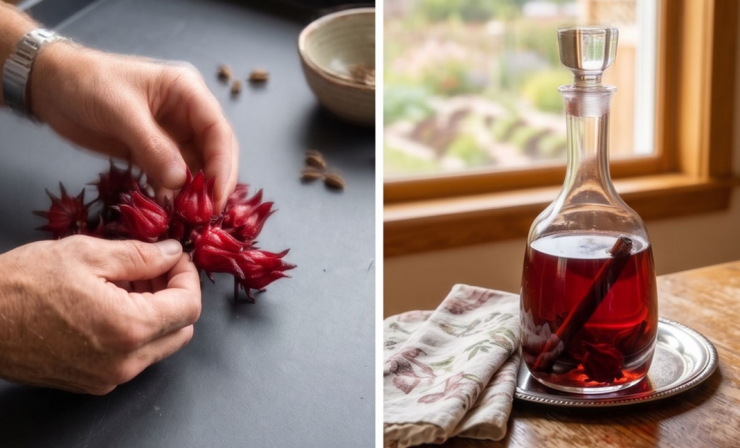
Hibiscus Roselle, scientifically known as Hibiscus sabdariffa, is one of the most beautiful and useful plants you can grow or use at home. Known for its ruby-red calyces, refreshing sour taste and tropical look, roselle is much more than an ornamental plant. It is used around the world for teas, juices, jams, syrups, sauces, natural food coloring and traditional wellness preparations.
Roselle is often confused with decorative hibiscus, but Hibiscus sabdariffa is the species most commonly used for the famous red hibiscus tea. Its fleshy calyces are the part most often harvested, dried and infused to create a deep red drink with a tart, cranberry-like flavor.
Hibiscus Roselle is a warm-climate plant from the Malvaceae family. It can grow as an annual or perennial depending on the climate and is valued for its edible calyces, attractive flowers and lobed green leaves.
The flowers are usually light-colored, often white or yellowish, with a deep red center. After flowering, the red calyces become thick and fleshy. These calyces are the main part used for tea, drinks and homemade recipes.
In many countries, roselle is known by different names, including sour tea, red sorrel, Jamaica sorrel, karkade and roselle.
Main Benefits of Hibiscus Roselle
1.Rich in antioxidants
Roselle calyces are rich in natural plant compounds, especially anthocyanins, flavonoids, polyphenols and organic acids. These compounds give hibiscus its intense red color and sharp refreshing taste.
Antioxidants help protect the body from oxidative stress, which is why colorful plants like roselle are often valued in a balanced diet.
2.Traditionally used for heart wellness
One of the best-known uses of hibiscus tea is its traditional association with heart health and healthy blood pressure support. Some studies suggest that Hibiscus sabdariffa tea may help reduce blood pressure in certain adults, especially when used as part of a healthy lifestyle.
However, hibiscus tea should not replace medication or medical care. People who already take blood pressure medication should speak with a doctor before drinking hibiscus tea regularly.
3.A refreshing caffeine-free tea
Roselle tea is naturally caffeine-free, making it a great choice for people who want a flavorful drink without caffeine. It can be enjoyed hot in winter or iced in summer.
Its tart flavor pairs beautifully with honey, lemon, mint, ginger, cinnamon, cloves, orange peel or berries.
4.Useful for homemade drinks and desserts
Roselle is loved for its color and flavor. The red calyces can be used to make syrup, juice, jelly, jam, sauces, sorbet, popsicles, fermented drinks and natural coloring for desserts.
Because of its sour taste, it balances sweet recipes very well. It gives drinks and sweets a bright ruby color without artificial dyes.
5.Edible leaves in traditional cooking
Roselle leaves are also used in some traditional cuisines. They have a slightly sour, tangy taste and can be cooked like leafy greens in soups, stews or sauces.
Young leaves are usually preferred because they are more tender. They can add a pleasant acidic note to savory dishes.
6.Decorative value in the garden
Besides its culinary uses, Hibiscus sabdariffa is also attractive in the garden. Its tropical appearance, lobed leaves and colorful flowers make it a beautiful plant for warm gardens, terraces or large pots.
In cooler climates, it can be grown as a seasonal plant in containers, especially if it receives enough sun and warmth.
To make hibiscus roselle tea, use dried calyces from Hibiscus sabdariffa.
Add 1–2 teaspoons of dried calyces to one cup of hot water. Cover and let it steep for 5–10 minutes, then strain. The result is a deep red, tart and refreshing tea.
For iced hibiscus tea, prepare a stronger infusion, let it cool, then serve with ice, lemon and a little honey if desired.
Homemade Uses of Hibiscus Roselle
Hibiscus syrup
Boil roselle calyces with water, strain the liquid, then add sugar or honey and simmer until slightly thickened. The syrup can be used in lemonade, cocktails, desserts, pancakes or sparkling water.
Hibiscus jam or jelly
Fresh roselle calyces can be cooked with sugar and lemon juice to make a tart, ruby-colored jam or jelly. This is one of the most popular ways to preserve roselle.
Hibiscus lemonade
Mix cold hibiscus tea with lemon juice, honey and mint. This creates a bright, refreshing summer drink with a beautiful natural color.
Hibiscus powder
Dried calyces can be ground into powder and added to smoothies, yogurt, desserts, sauces or homemade spice blends.
Hibiscus sauce
Roselle can be cooked into a sweet-sour sauce for desserts or savory dishes. It pairs well with citrus, ginger, cinnamon and berries.
Hibiscus roselle is commonly used as food and tea, but it should still be used responsibly.
People who take medication for high blood pressure, diabetes or other chronic conditions should speak with a healthcare professional before drinking hibiscus tea regularly or using concentrated extracts.
Pregnant and breastfeeding women should avoid medicinal amounts of hibiscus unless advised by a doctor, because safety information is limited.
People with low blood pressure should also be cautious, since hibiscus may contribute to lowering blood pressure.
Always use food-grade Hibiscus sabdariffa from a safe source. Do not use ornamental hibiscus plants or plants treated with pesticides unless you are certain they are edible and safe.
Hibiscus Roselle is a truly versatile plant. Its red calyces can be turned into tea, syrup, jam, juice, sauces and natural food coloring, while its leaves can be used in cooking as tangy greens.
It is beautiful, useful and full of traditional value, but it should be used with realistic expectations. Roselle can support a balanced lifestyle, but it is not a miracle cure and should not replace medical treatment.
Whether grown in the garden or used dried in the kitchen, Hibiscus sabdariffa is one of those plants that brings together beauty, flavor and tradition in a single ruby-red harvest.
This article is for educational purposes only and does not replace medical advice, diagnosis or treatment.


Add comment