

 wawstock
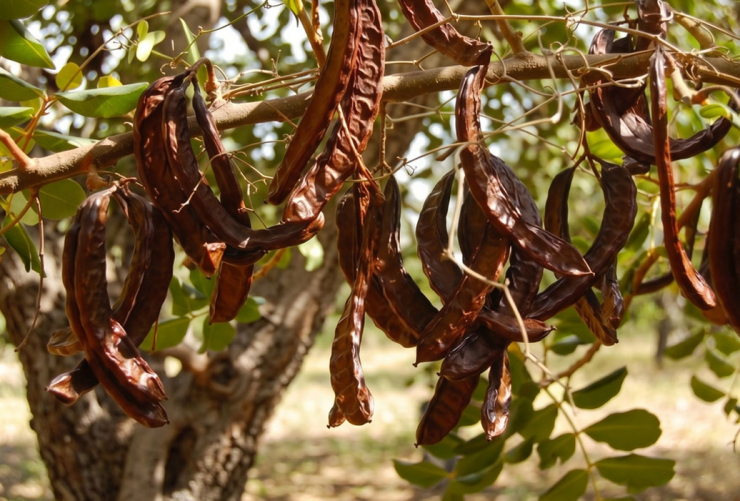
Carob, scientifically known as Ceratonia siliqua, is a Mediterranean tree best known for its long brown pods, naturally sweet pulp and cocoa-like flavor. For centuries, carob has been used as food, a natural sweetener and a homemade ingredient in drinks, desserts, syrups and baked goods.
Often called a caffeine-free alternative to cocoa, carob has a mild, earthy, caramel-like taste. It does not have the bitterness of cocoa, which makes it useful in recipes where you want a naturally sweet chocolate-style flavor without adding too much sugar.
Carob is rich in carbohydrates, natural sugars and dietary fiber. It also contains minerals such as calcium, potassium, phosphorus and iron, depending on the product and processing method.
One of the most important qualities of carob is its high fiber content. Fiber supports digestion, helps with satiety and can make homemade desserts more filling. Carob is also naturally low in fat, which makes it different from cocoa powder, which usually contains more fat.
Carob also contains polyphenols and other plant compounds with antioxidant potential. These compounds are one reason carob has attracted interest as a functional food ingredient.
Benefits of Carob
1.A caffeine-free alternative to cocoa
Carob is naturally free from caffeine and theobromine, the stimulating compounds found in cocoa. This makes it a good option for people who are sensitive to stimulants or who want a chocolate-style drink in the evening without caffeine.
2.Supports digestion through fiber
Because carob is high in dietary fiber, it can support normal digestion when included as part of a balanced diet. Fiber helps feed beneficial gut bacteria, supports bowel regularity and may help you feel full for longer.
However, people who are not used to high-fiber foods should start with small amounts, because too much fiber at once may cause bloating or digestive discomfort.
3.Naturally sweet taste
Carob has a naturally sweet flavor, which means it can reduce the need for extra sugar in some homemade recipes. It works especially well in cakes, cookies, pancakes, smoothies, puddings and warm drinks.
4.Contains antioxidants
Carob pods contain polyphenols, flavonoids and tannins, natural compounds associated with antioxidant activity. Antioxidants help protect cells from oxidative stress, although carob should not be seen as a cure or medical treatment.
5.May support heart-friendly eating habits
Because carob is rich in fiber and low in fat, it can fit well into a heart-conscious diet. Some studies have explored carob fiber and polyphenols for their potential role in lipid metabolism, but more human research is still needed.
6.Useful for homemade desserts
Carob is practical in the kitchen because it gives desserts a chocolate-like color and a sweet roasted aroma. It can be used in recipes for children, caffeine-sensitive people or anyone who wants to try a different natural ingredient.
Homemade Uses of Carob
1.Hot carob drink
Mix 1 cup of warm milk or plant-based milk with 1–2 teaspoons of carob powder. Add honey, cinnamon or vanilla if desired. Stir well and serve warm.
This is one of the easiest ways to enjoy carob at home, especially as a caffeine-free evening drink.
2.Carob smoothie
Add 1 teaspoon of carob powder to a smoothie with banana, milk, yogurt or plant-based milk. It pairs well with peanut butter, oats, cinnamon and dates.
3.Homemade carob spread
Mix carob powder with tahini, peanut butter, honey and a little warm milk or coconut oil until creamy. Use it on toast, pancakes or fruit slices.
4.Carob energy balls
Blend dates, oats, walnuts, coconut flakes and carob powder. Shape the mixture into small balls and chill them in the refrigerator. These make a simple homemade snack.
5.Carob cake or cookies
Carob powder can replace part or all of the cocoa powder in many cake, muffin, pancake and cookie recipes. Because carob is sweeter than cocoa, you may need less sugar.
6.Carob pudding
Mix milk, carob powder, a little cornstarch and honey. Cook gently until thickened, then chill. This creates a simple, creamy dessert with a mild chocolate-like flavor.
7.Carob syrup
Carob syrup, also known as carob molasses in some regions, is made from carob pods and is used as a natural sweetener. It can be drizzled over pancakes, yogurt, oatmeal or desserts.
Carob is generally consumed as food, but it should still be used with moderation. Because it contains natural sugars, people with diabetes or blood sugar concerns should pay attention to portion size.
People with sensitive digestion should start with small amounts because carob is high in fiber. Rare allergic reactions may occur, so anyone with food allergies should be careful when trying carob for the first time.
Pregnant or breastfeeding women should treat carob as a normal food ingredient, not as a concentrated supplement, unless advised otherwise by a healthcare professional.
Carob is a versatile Mediterranean ingredient with a naturally sweet taste, high fiber content and many homemade uses. It can be used in warm drinks, smoothies, cakes, cookies, puddings, spreads and natural snacks.



Add comment