

 wawstock
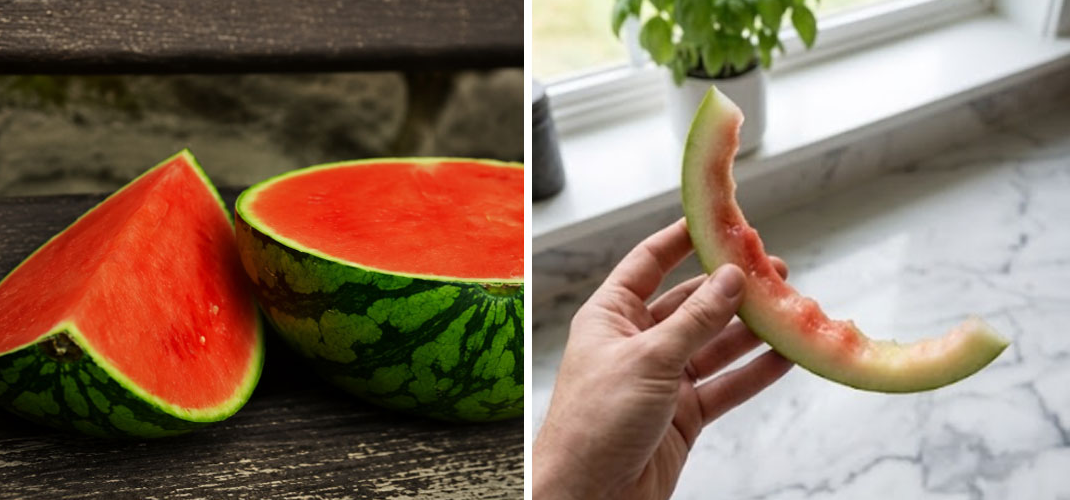
When most people eat watermelon, they enjoy the sweet red flesh and immediately throw the pale green rind into the trash.
But that part you normally discard is actually edible and can be transformed into pickles, refreshing drinks, stir-fries, preserves, and even useful material for your garden.
Watermelon rind isn’t a miracle cure, but it is a surprisingly versatile food that deserves a second look.
Can You Really Eat Watermelon Rind?
Yes!
The firm white and pale-green portion between the sweet flesh and the tough outer skin is edible. Its flavor is much milder than watermelon flesh, with a fresh texture somewhat similar to cucumber.
Because it isn’t particularly sweet, watermelon rind works surprisingly well in both savory and sweet recipes.
Before using it, wash the watermelon thoroughly. Depending on the recipe, the dark-green outer skin can be peeled away, leaving primarily the crisp white portion.
1.It Contains Citrulline
One of the most interesting natural compounds associated with watermelon is the amino acid L-citrulline.
Citrulline participates in the body’s nitric-oxide pathway and has attracted considerable scientific interest for its relationship with normal blood-vessel function and circulation.
Watermelon rind contains citrulline, although the amount varies considerably depending on the variety and growing conditions.
That doesn’t mean eating rind produces medicinal effects, but it certainly makes this commonly discarded part of the fruit more interesting nutritionally.
2.It Adds Fiber to Your Diet
Unlike the juicy center of the watermelon, the rind has a much firmer structure.
Eating plant foods containing fiber supports normal digestion and helps add bulk to the diet.
Instead of throwing the rind away, incorporating small amounts into meals is one simple way to make better use of the whole fruit.
3.Make Watermelon Rind Pickles
This is probably one of the best ways to discover just how useful watermelon rind can be.
Remove most of the red flesh and peel away the dark-green outer skin. Cut the remaining white rind into small cubes or strips.
It can then be pickled using ingredients such as:
Vinegar
Water
Salt
Sugar
Garlic
Peppercorns
Mustard seeds
Ginger
Chili
After absorbing the flavors of the brine, the rind becomes crisp, tangy, and completely different from the watermelon you started with.
4.Turn It Into a Refreshing Drink
The pale portion of the rind can also be blended into homemade drinks.
Combine cleaned and peeled rind with some watermelon flesh, lemon or lime juice, fresh mint, and cold water.
Blend thoroughly and strain it if you prefer a smoother drink.
It’s an easy way to use more of the watermelon while creating a refreshing summer beverage.
5.Add It to Stir-Fries
Watermelon rind can actually be cooked similarly to certain vegetables.
Peel away the tough green exterior, slice the white portion thinly, and sauté it with ingredients such as garlic, ginger, onions, peppers, soy sauce, or sesame.
Because the rind has a mild flavor, it readily absorbs seasonings.
Its naturally crisp texture can work particularly well in Asian-inspired dishes.
6.Make Watermelon Rind Jam or Preserves
In several culinary traditions, watermelon rind is turned into sweet preserves.
Small pieces of peeled rind can be slowly cooked with sugar and citrus until they become translucent and tender.
Depending on the recipe, you can add:
Lemon
Orange peel
Vanilla
Cinnamon
Ginger
Cloves
The result can be surprisingly delicious—and almost nobody would guess it started as something destined for the trash.
7.Ferment It
Watermelon rind’s firm texture also makes it suitable for fermentation.
Similar to cucumbers and other vegetables, pieces of cleaned rind can be fermented in an appropriate salt brine.
Fermentation creates an entirely different flavor and can be another practical way to preserve excess watermelon rind instead of wasting it.
Always follow a tested fermentation recipe with appropriate salt concentrations and hygienic preparation practices.
8.Freeze It for Later
Have too much rind to use immediately?
Clean it, remove the tough exterior, cut the white portion into manageable pieces, and freeze it.
The texture may soften after thawing, so frozen rind is generally better suited to cooked dishes, smoothies, or other recipes where crispness isn’t essential.
9.Don’t Want to Eat It? Compost It!
Even if you have absolutely no interest in eating watermelon rind, there’s still little reason to send it to the garbage.
Add it to your compost pile.
Because watermelon rind contains plenty of moisture and organic material, it can become part of the nitrogen-rich “green” material in compost.
Cutting it into smaller pieces will help it decompose faster.
Balance it with carbon-rich “brown” materials such as dry leaves, shredded cardboard, straw, or small wood chips.
Eventually, yesterday’s watermelon can become organic matter that helps improve your garden soil.
10.A Simple Way to Reduce Food Waste
Perhaps the biggest benefit of using watermelon rind isn’t a mysterious nutritional secret.
It’s simply using more of the food you’ve already paid for.
A large watermelon can leave behind a considerable amount of rind. Turning even some of it into pickles, preserves, cooked dishes, or compost reduces household food waste.
And it costs virtually nothing.
Important Tips Before Using Watermelon Rind
Because you’ll be using a portion of the fruit that is normally discarded, preparation matters.
Wash the watermelon thoroughly before cutting it, even if you’re planning to remove the exterior.
Use a clean knife and cutting board, and refrigerate prepared rind promptly.
If you’re eating it for the first time, start with a modest portion. Large quantities of unfamiliar fiber-rich foods can cause digestive discomfort in some people.
Watermelon rind might look like kitchen waste, but it’s actually an incredibly versatile ingredient hiding in plain sight.
Pickle it. Cook it. Blend it. Preserve it. Ferment it. Or compost it.
You don’t have to believe exaggerated claims that watermelon rind can cure diseases to appreciate its value.
Sometimes the real “treasure” isn’t a miracle remedy.
It’s discovering that something you’ve thrown away your entire life can actually be useful.


Add comment